James W. Fowler was born April 9, 1838 in Union County, South Carolina. He was a son of James Fowler (1793–1858) and Susan Gault (b. 1800).
As a grandson of Godfrey Fowler (1773–1850) and Nancy “Nannie” Kelly (1775–1857), James W. Fowler came from a family of military men. His grandfather Godfrey Fowler fought in the War of 1812. His great-grandfather —Henry Ellis Fowler (1746-1808) — was a soldier in the Revolutionary War.
I have not found a proven date of date for Susan Gault, but she was dead by 1850. Her absence in the census showed James Fowler as head of a household in Union County that included his eleven-year-old daughter, Sarah, and his two youngest sons, twelve-year-old James W. and six-year-old Waddy.
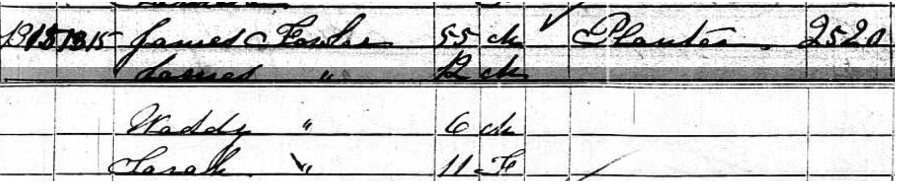
After the death of matriarch Susan Gault Fowler, the James Fowler family scattered to the four winds.
Eight years after the 1850 census, James Fowler was lying in a grave in the Little River Cemetery in Cherokee County, Georgia.
Dr. Wade Fowler (1820-1881), son of James Fowler and Susan Gault, may have been the only one of the Fowler offspring to stay in Union County.
Sons Francis G. Fowler (1825–1866) and Irvin J. Fowler (1830–1878) were in Columbia SC in 1850: Francis was a merchant and Irvin was in military school. Both men had moved by the late 1850s to Mississippi and Arkansas respectively.
Daughter Sarah Fowler moved to Georgia with her father. In 1860, she married James Franklin McCleskey, the Sheriff of Cobb County, Georgia. The McCleskey family moved from Marietta, Georgia to Arkansas in November 1869.
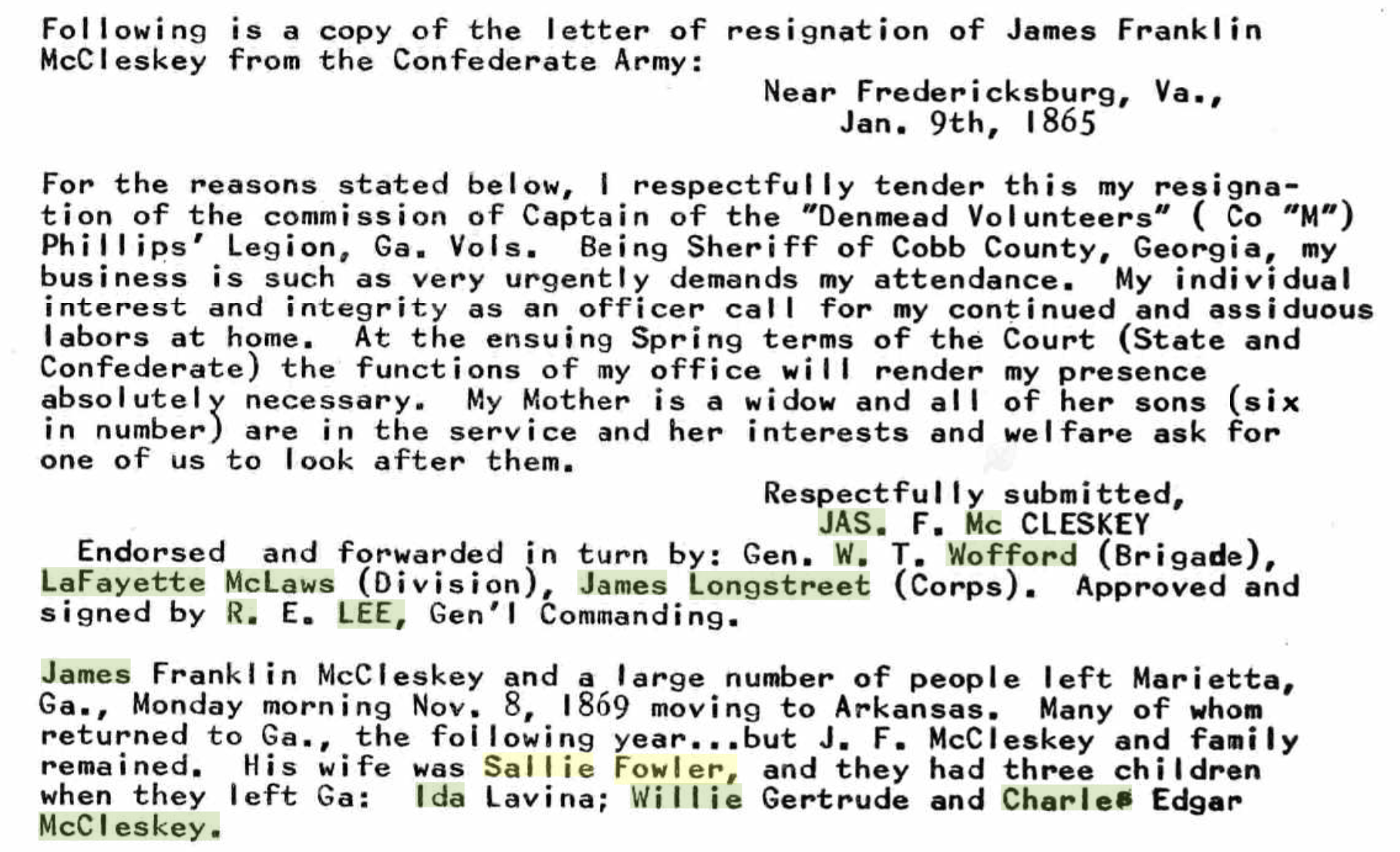
THE FOWLER BROTHERS MOVE TO ABBEVILLE
By 1859, brothers James W. Fowler and Samuel Waddy Fowler had traveled 75 miles from their birthplace to the little town of Abbeville, SC. Both men were clerks in the store owned by John Alexander Weir and Augustus Jackson Lythgoe.

John Alexander Weir was born in 1816 in the West Indies. He was the son of John Weir (1781-1849) whose Last Will and Testament named Thomas Chiles Perrin as executor.
John Alexander Weir was the father of Margaret Isabell Weir (1832-1913) who married Augustus Jackson Lythgoe (1830-1862).
Augustus was a son of George Birkenhead Lythgoe (1800-1858) of Liverpool, England.
Thus the store Weir and Lythgoe was named after John Alexander Weir and his son-in-law Augustus Jackson Lythgoe. It may forever be a mystery how the two Fowler brothers ended up in this situation.
JAMES W. FOWLER MARRIES SARAH CECELIA CHALMERS
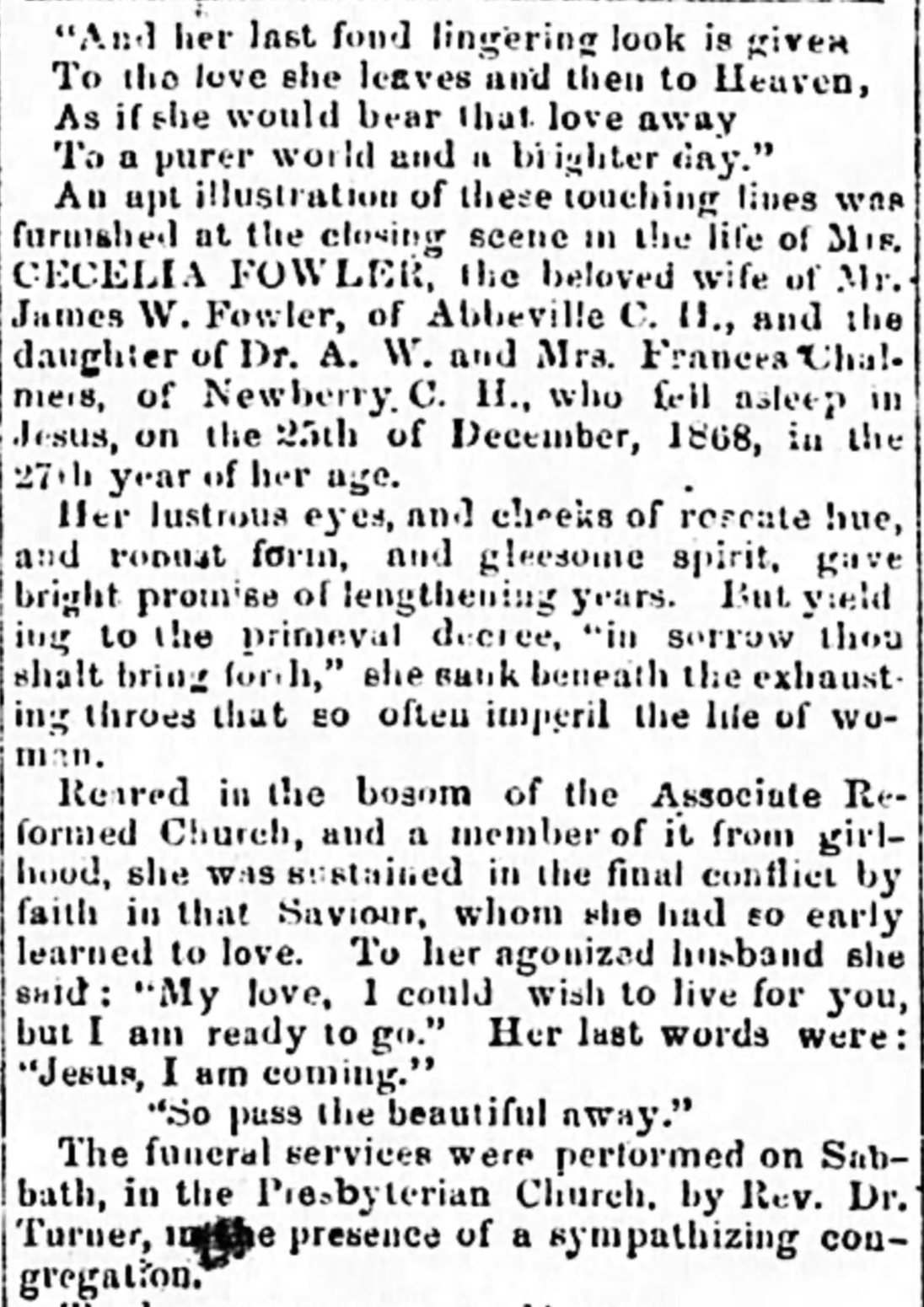
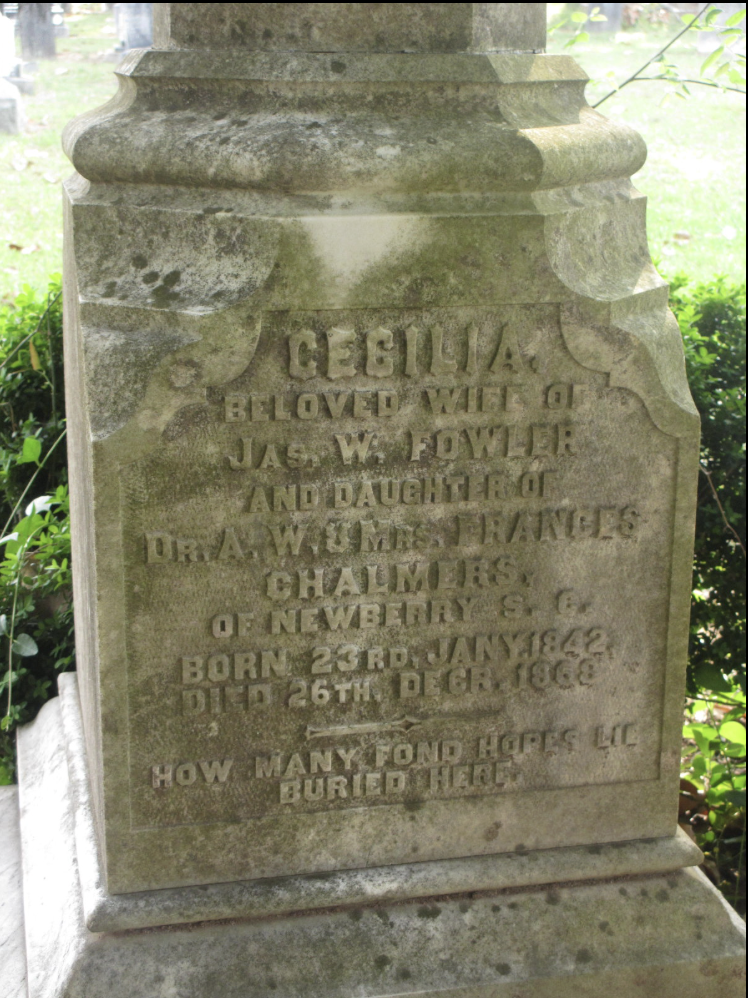
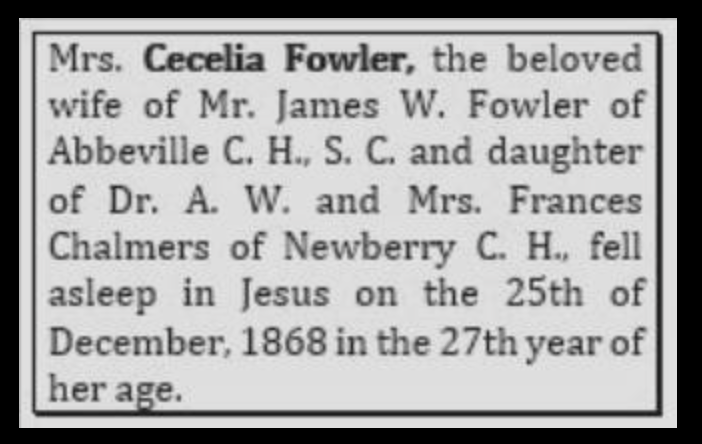
James W. Fowler married Sarah Cecelia Chalmers in 1860. She was born in 1842, a daughter of Dr. Alexander William Chalmers (1792-1862) of Newberry South Carolina.
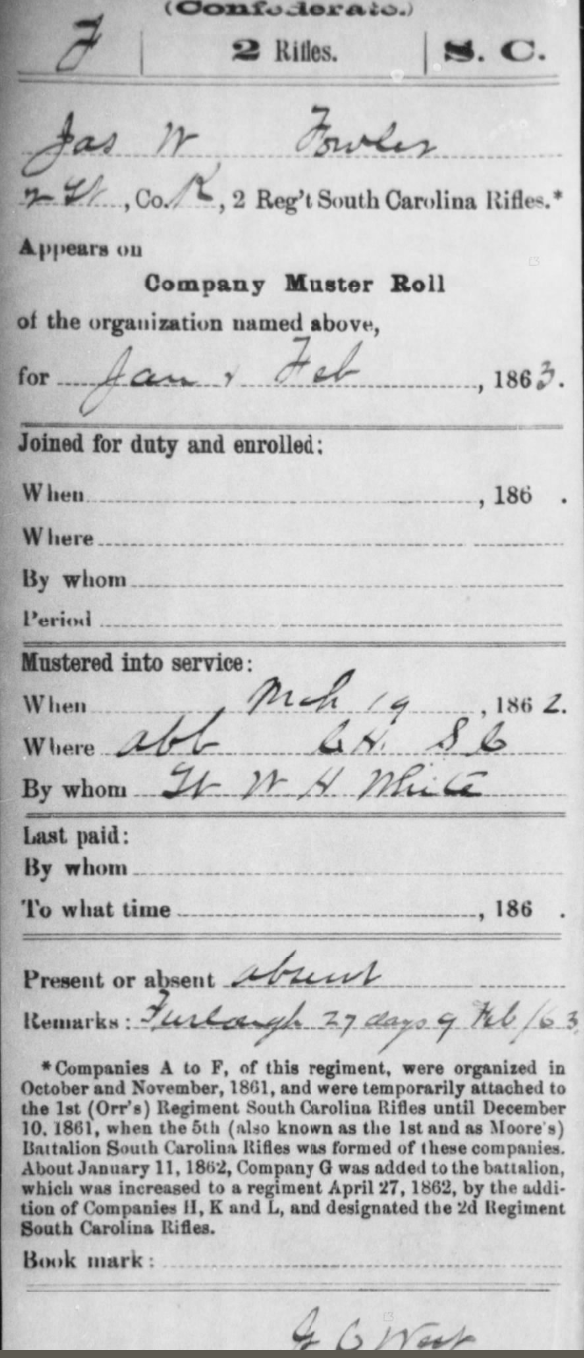
The couple were married only two years when the Civil War forced a separation. Cecelia had at least one opportunity to see her husband during a furlough from the battlefield. She did not become a war widow. She would have three and a half more years being Mrs. James W. Fowler before her death on Christmas day in 1868.
Her last words to her husband were “My love, I could wish to live for you, but I am ready to go. Jesus, I am coming.”
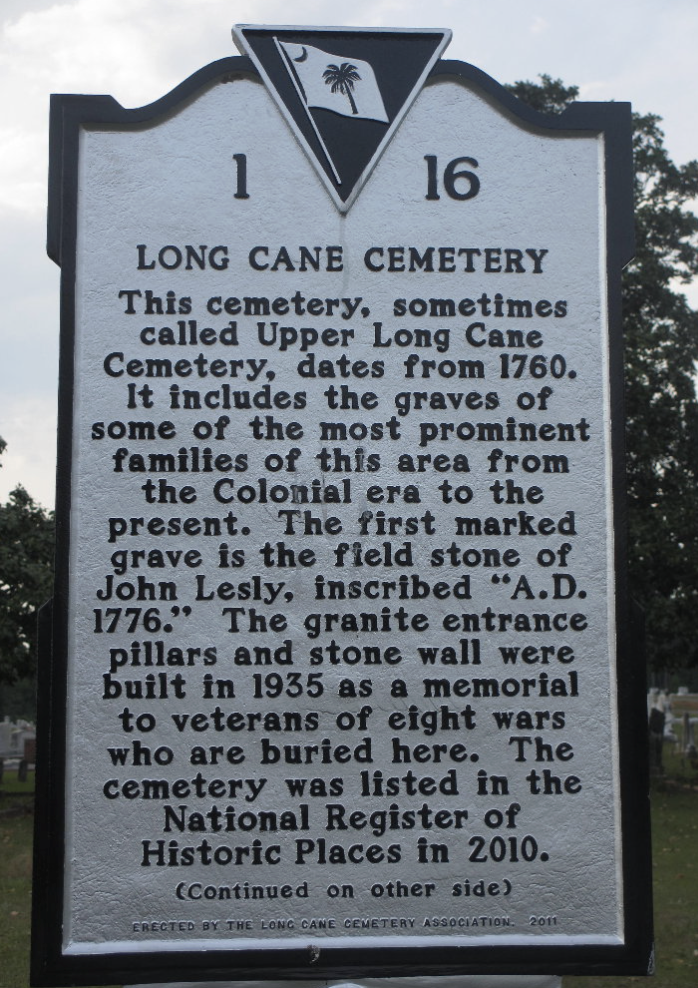
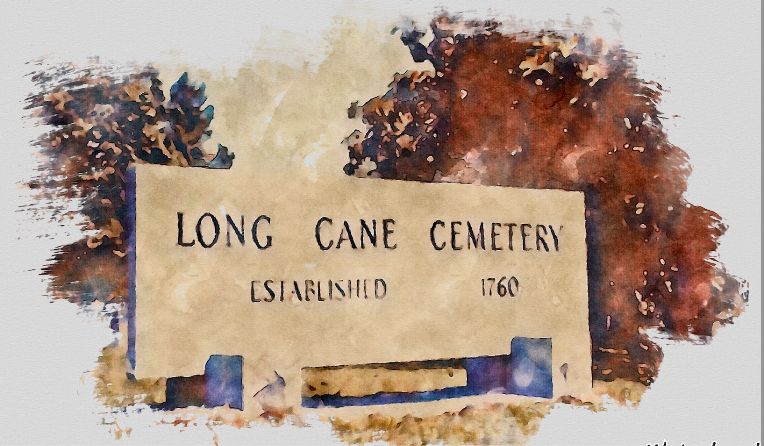
Sarah Cecelia Chalmers Fowler was buried at Lone Cane Cemetery near Abbeville.
THE CIVIL WAR
April 12, 1861. The newly formed Confederate forces fired the first shot at the Union Army who occupied Fort Sumter in the Charleston harbor; thus began the American Civil War.
The causes of the Civil War are still debated today, but the long-standing conflict over slavery between the northern and southern states is the widely-accepted main reason. The economic, social, and political implications of Southern states’ rights to continue to own slaves and especially the expansion of the practice into new territories clashed with Northern industrialization. The election of Abraham Lincoln triggered Southern secession.
South Carolina became the first state to secede from the Union on December 20, 1860, A state convention passed the Ordinance of Secession unanimously (169-0), citing threats to slavery, states’ rights, and federal tariff policies. This action initiated the formation of the Confederacy and led to the shot fired at Fort Sumter and the start of a war that would forever alter the history of our country.
TWO BROTHERS, TWO SOLDIERS, TWO DIFFERENT PATHS
Samuel Waddy Fowler was only seventeen-years old when he enlisted in the Confederate Army. He enlisted in the McDuffie Rifles which merged into the 1st South Carolina Rifles, known as Orr’s Rifles.
His fate was so very different than his brother’s. His story is found on the link below:
AN OFFICER IN THE CIVIL WAR
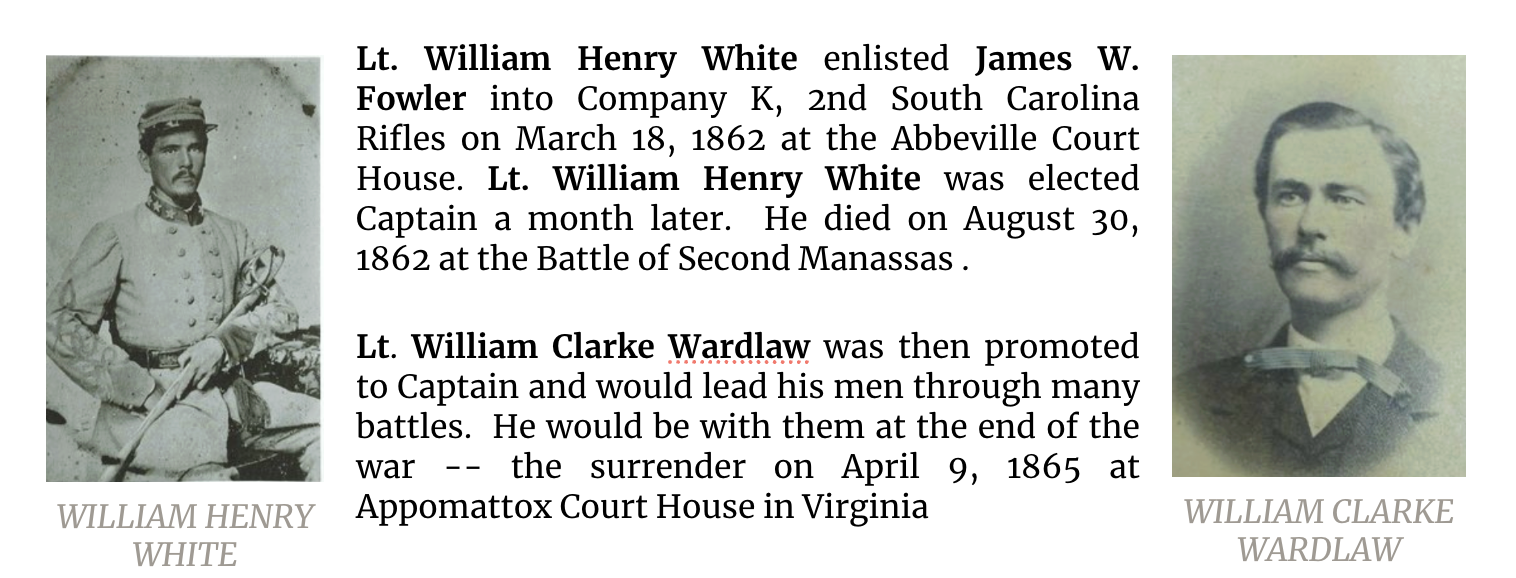
Sixteen companies were raised in the summer of 1861 for the formation of the 1st South Carolina Rifles (Orr’s Rifles). Since only ten companies were authorized, the six extra companies were organized in December as the 5th South Carolina Battalion-Infantry. This unit evolved into the 2nd South Carolina Rifles with the addition of four more companies in the early part of 1862.
The 2nd South Carolina Rifles were known as Moore’s Rifles under the command of Colonel John Vinro Moore (1826-1862), a former attorney and journalist from Anderson District. His life ended at the Battle of Second Manassas where he was shot on August 29, 1862. He died five days later on September 3, 1862.
James W. Fowler was a man of extraordinary talents. He was an astute businessman. His early education paved the way to a successful life. He was socially well-connected in Abbeville, rubbing elbows with the elite of the town: prominent lawyers, doctors, bankers, teachers, politicians, wealthy planters and merchants.
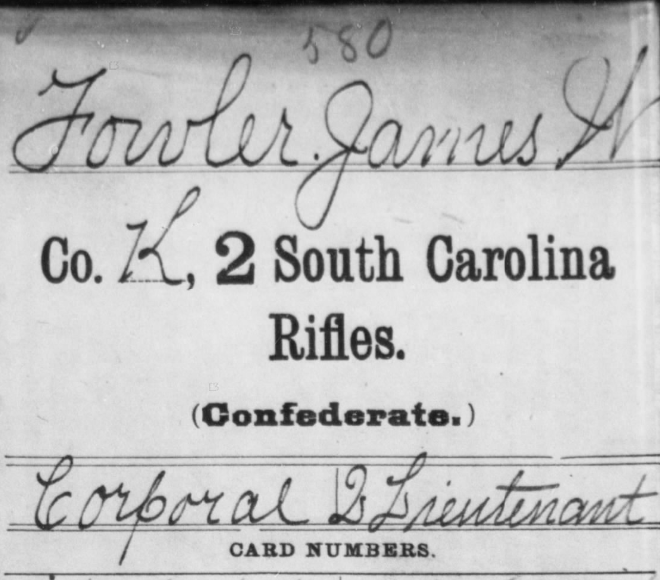
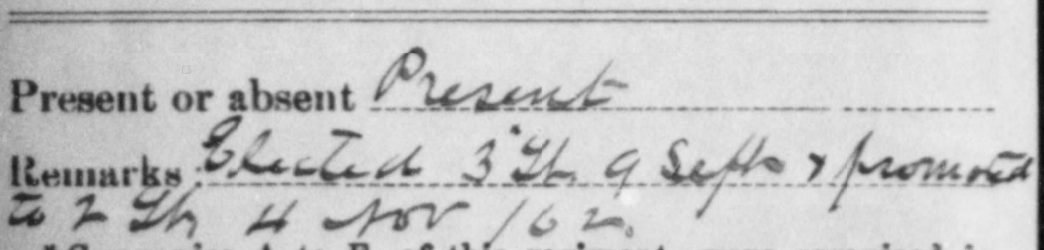
James W Fowler entered military service as a Corporal, not doubt due in part to his education and social connections. He would soon be promoted to 2nd Lieutenant.
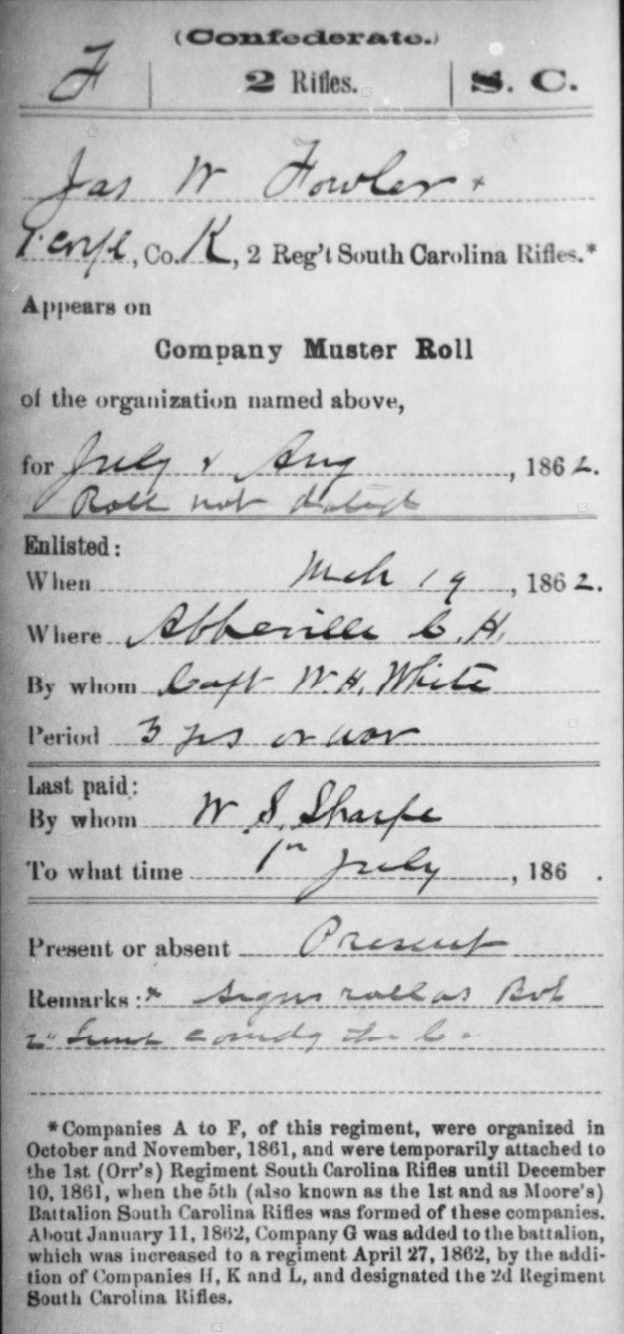
The Assistant Quarter Master for Orr’s Rifles was William S. Sharpe (1833-1896). William Sharpe was a Merchant before the war. Those skills prepared him for the duties required of his position in the army.
DUTIES OF A QUARTERMASTER & A REQUISITION OFFICER
With his experience working as a clerk in a store, and his educational foundation, James W. Fowler was a good “fit” to assist in the Quartermaster Department.
The job of Quarter Master and the soldiers assigned to assist him was crucial for supplying armies with essential non-combat items like clothing, equipment, fuel, and transport. These men managed massive procurement and distribution systems to keep troops equipped, even handling burial of the dead and establishing national cemeteries. They were also in charge of supplying forage for the animals needed for war.
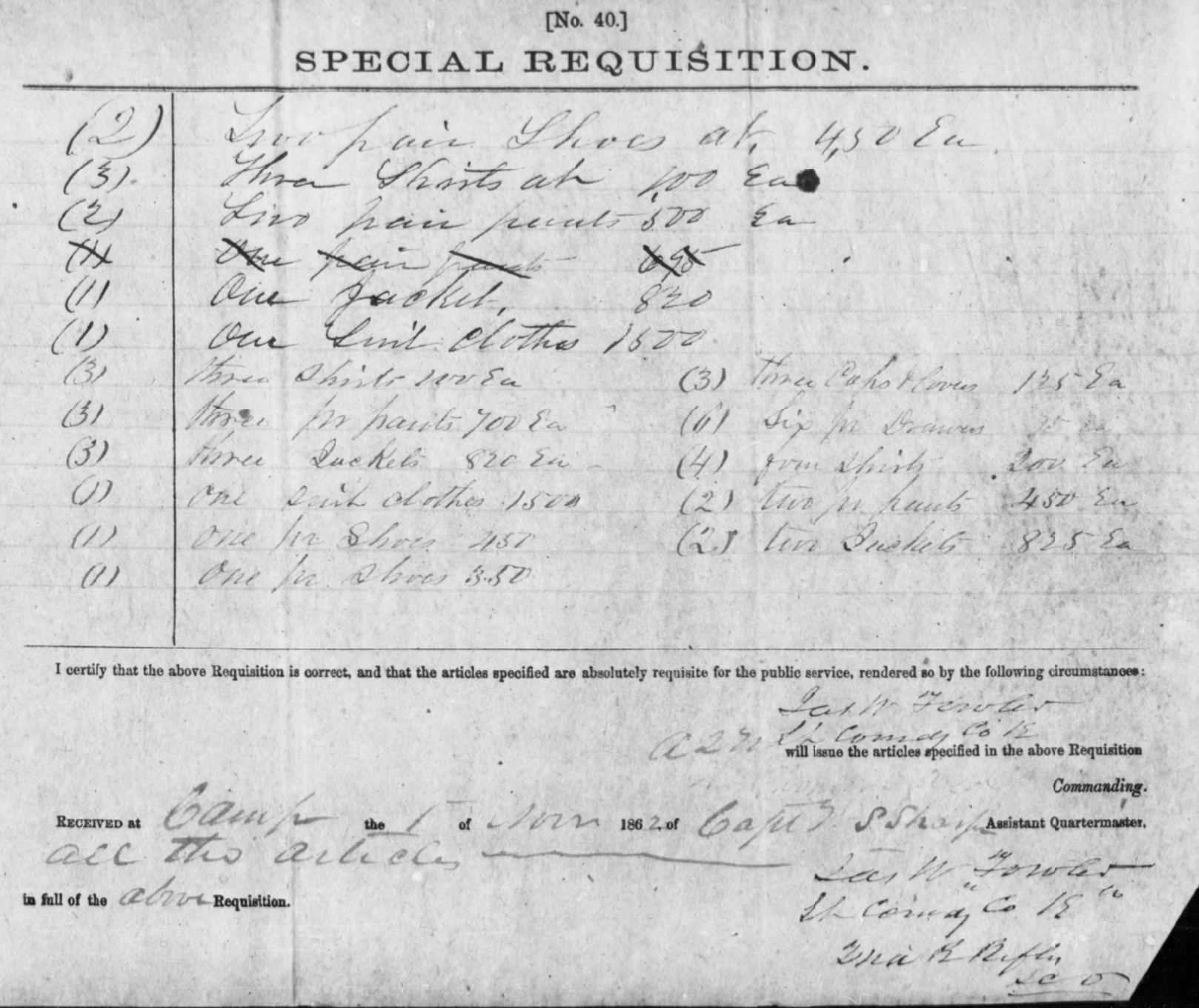
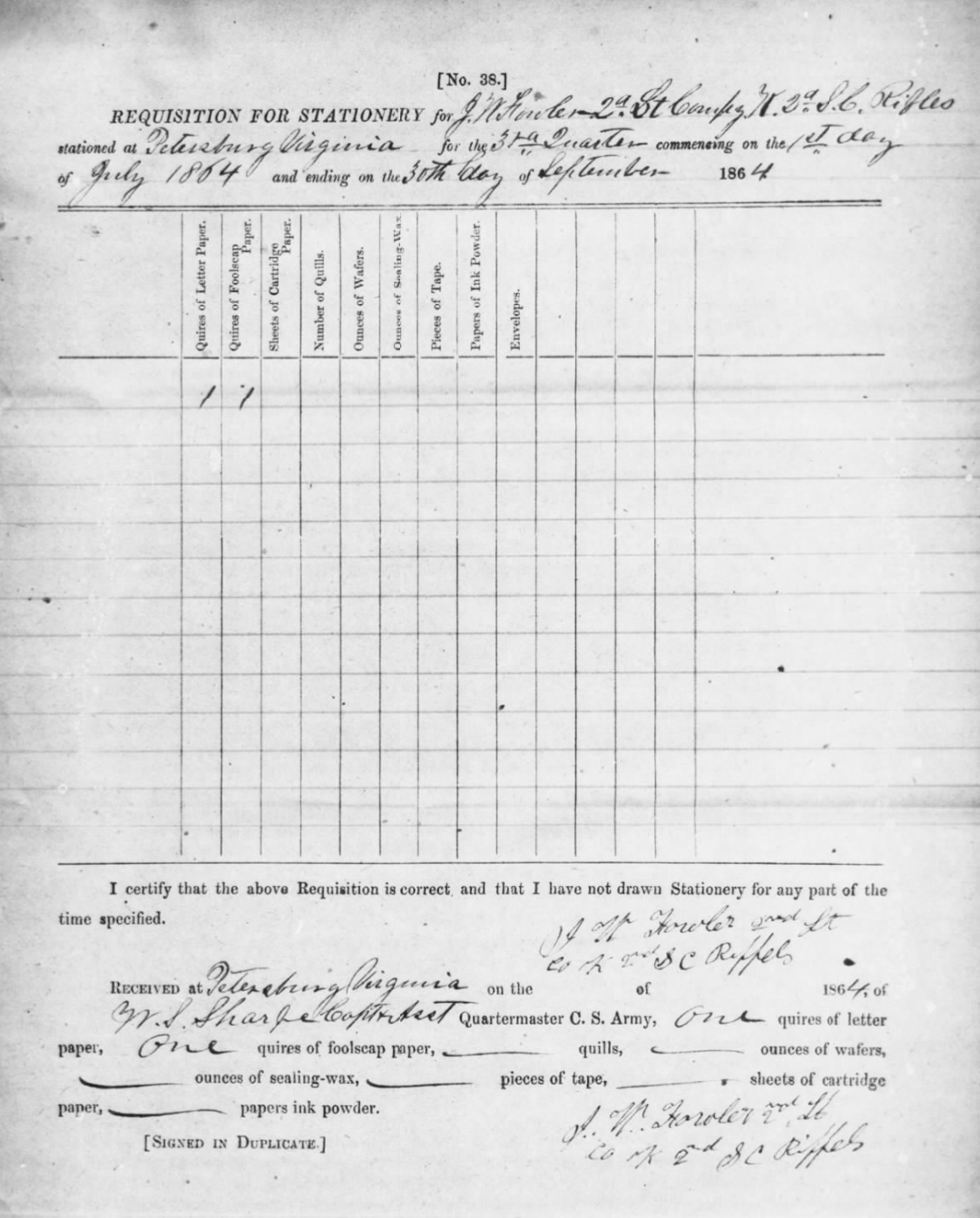
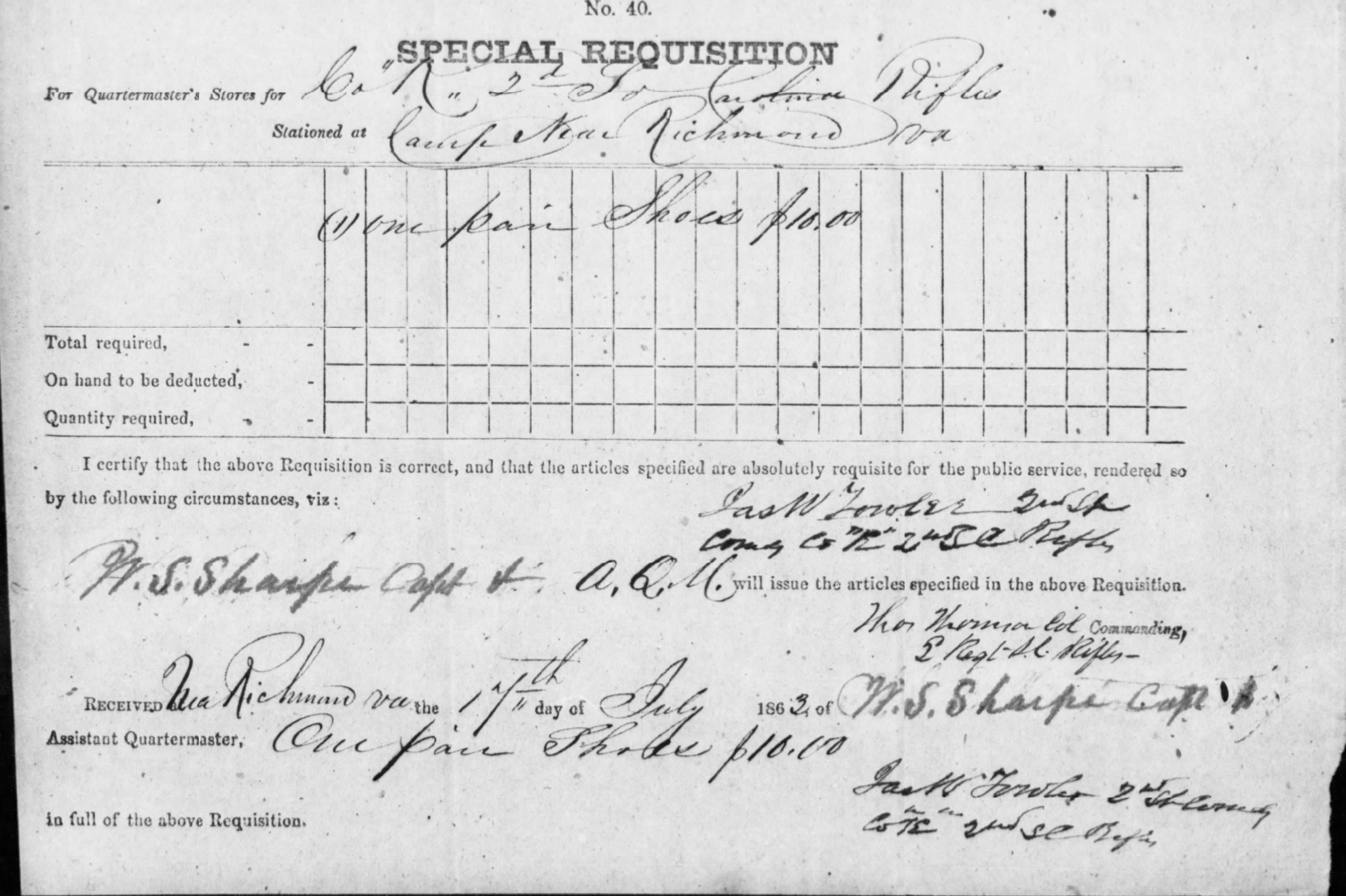
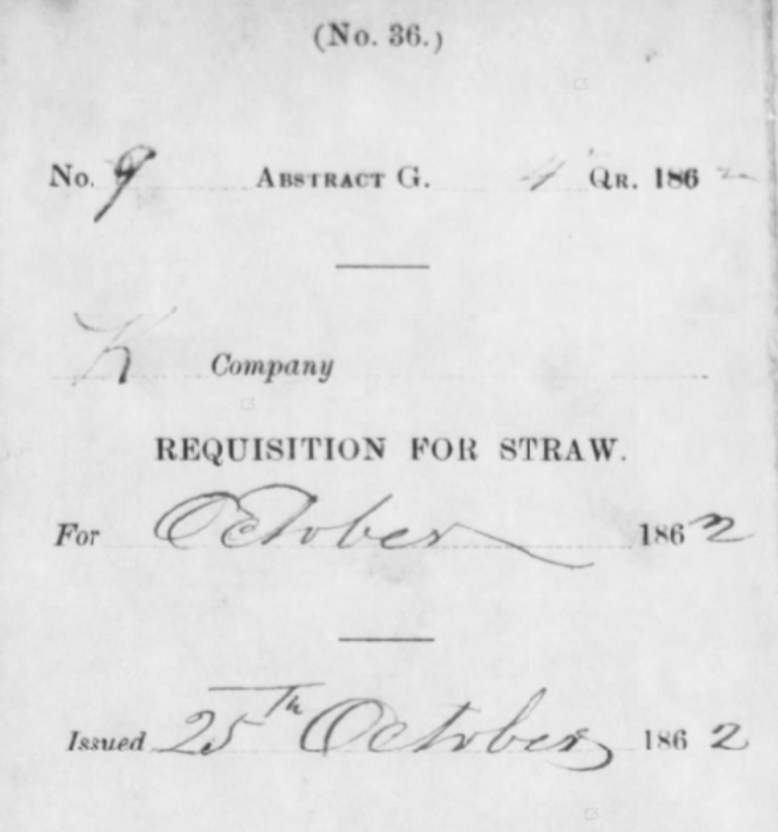
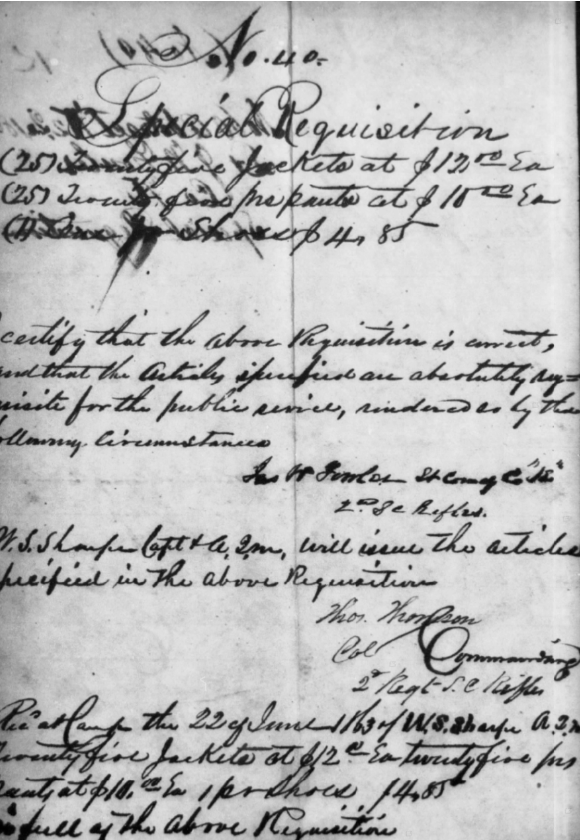
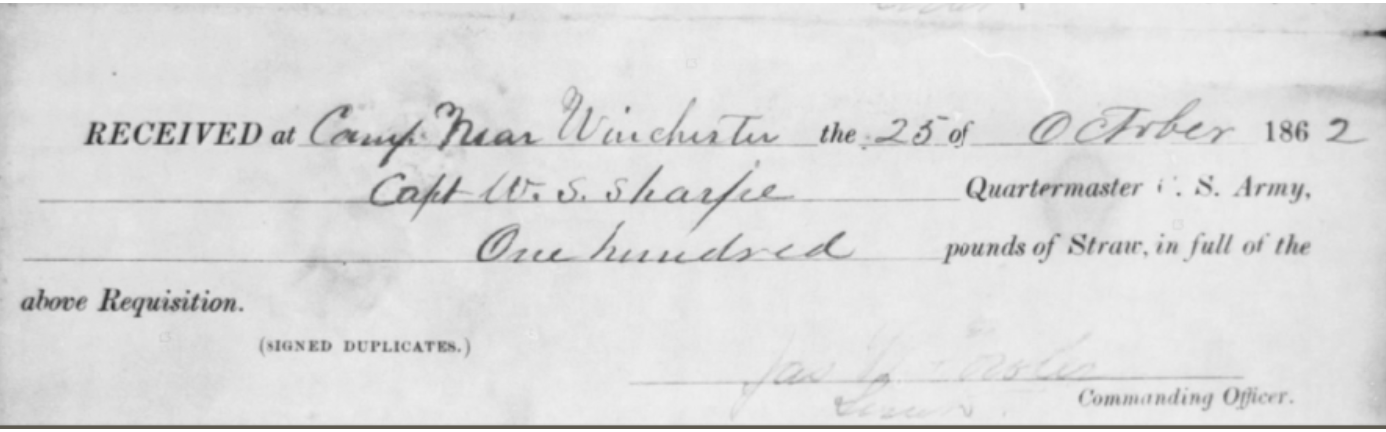
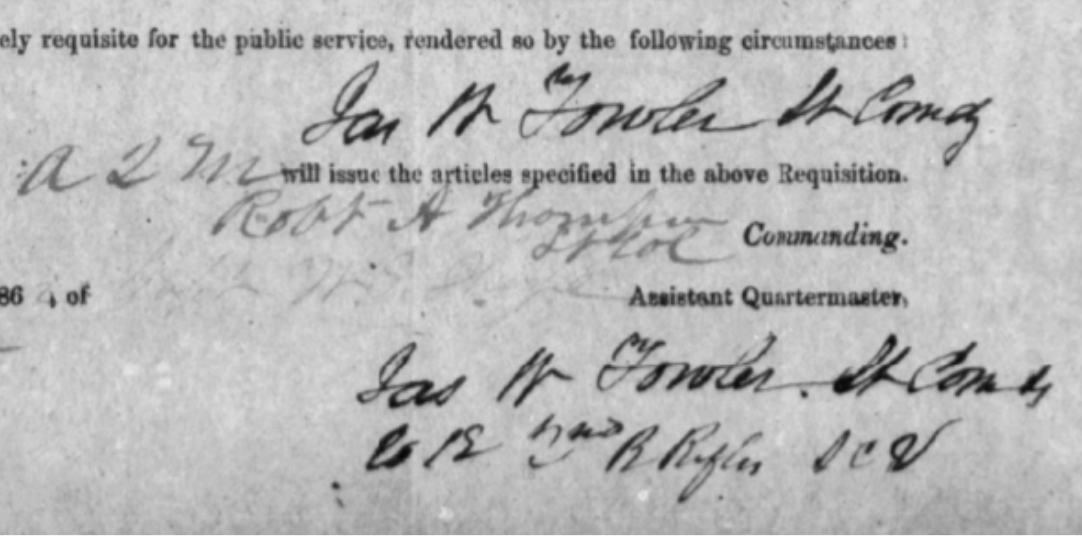
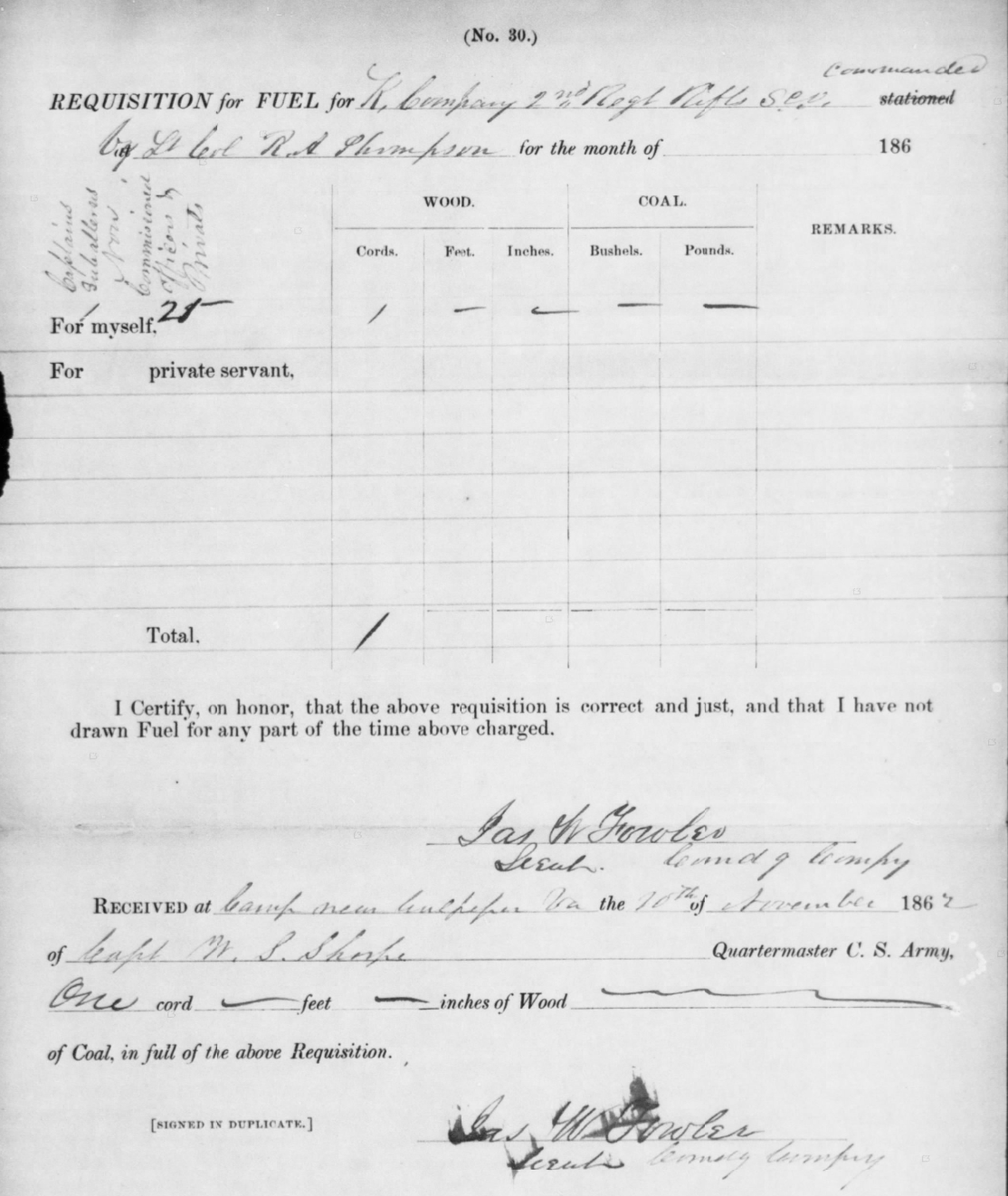
James W. Fowler worked as a Requisition Officer, although this was not an official rank. He worked under the assistant Quarter Master William S. Sharpe to manage logistics, ensuring supplies were distributed to troops. These men were responsible for procuring the necessary items to keep the army moving by official, written demands (requisitions).
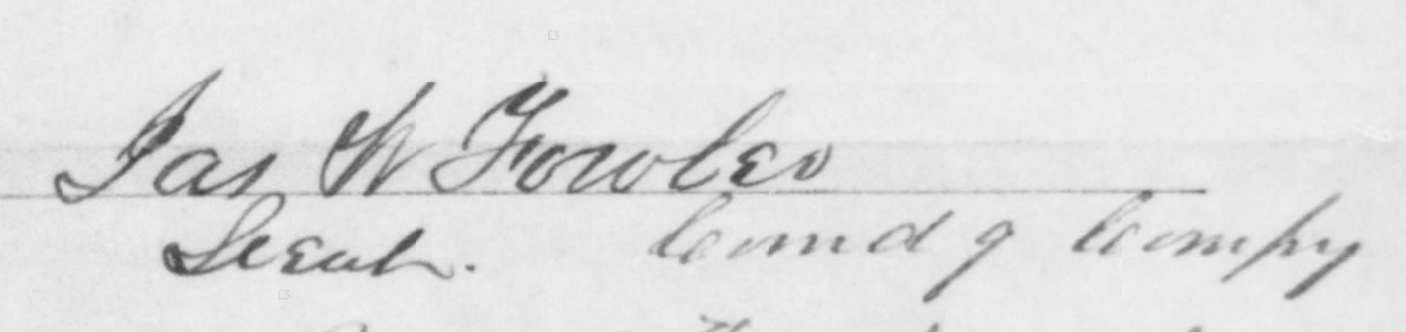
There are extensive requisition records in the military folder of James W. Fowler. Everything had to be documented; every demand required meticulous paperwork—invoices, receipts, and quarterly returns—to account for government property and funding.
The requisition records read like a merchant’s inventory in a dry goods store. Yes, this was a perfect job for James W. Fowler.
A RECRUITING OFFICER
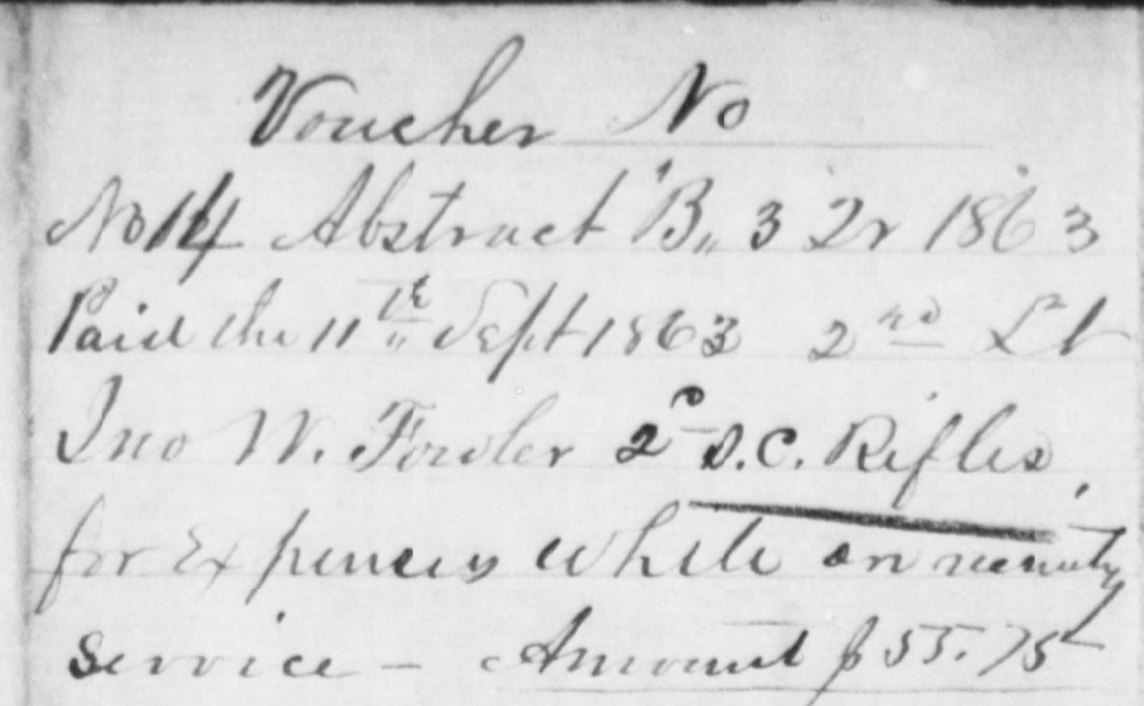
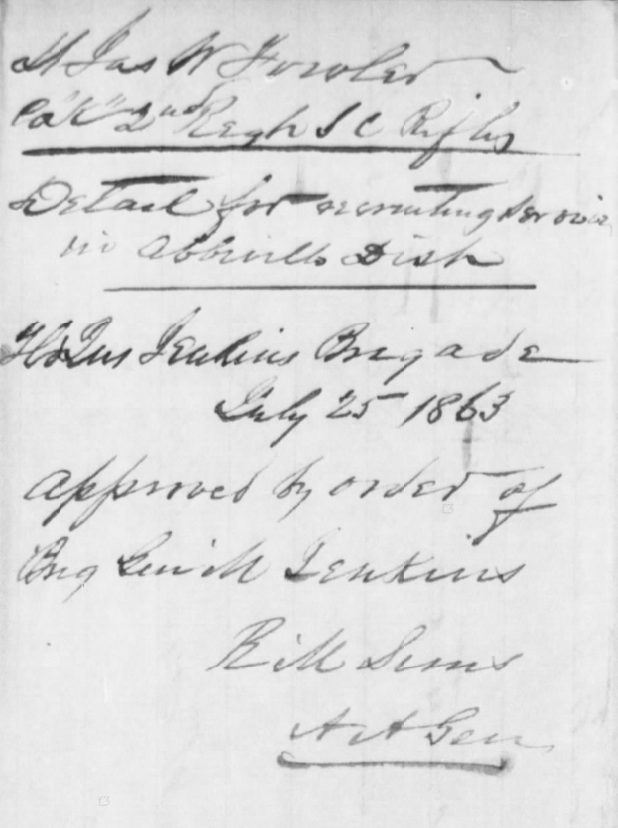
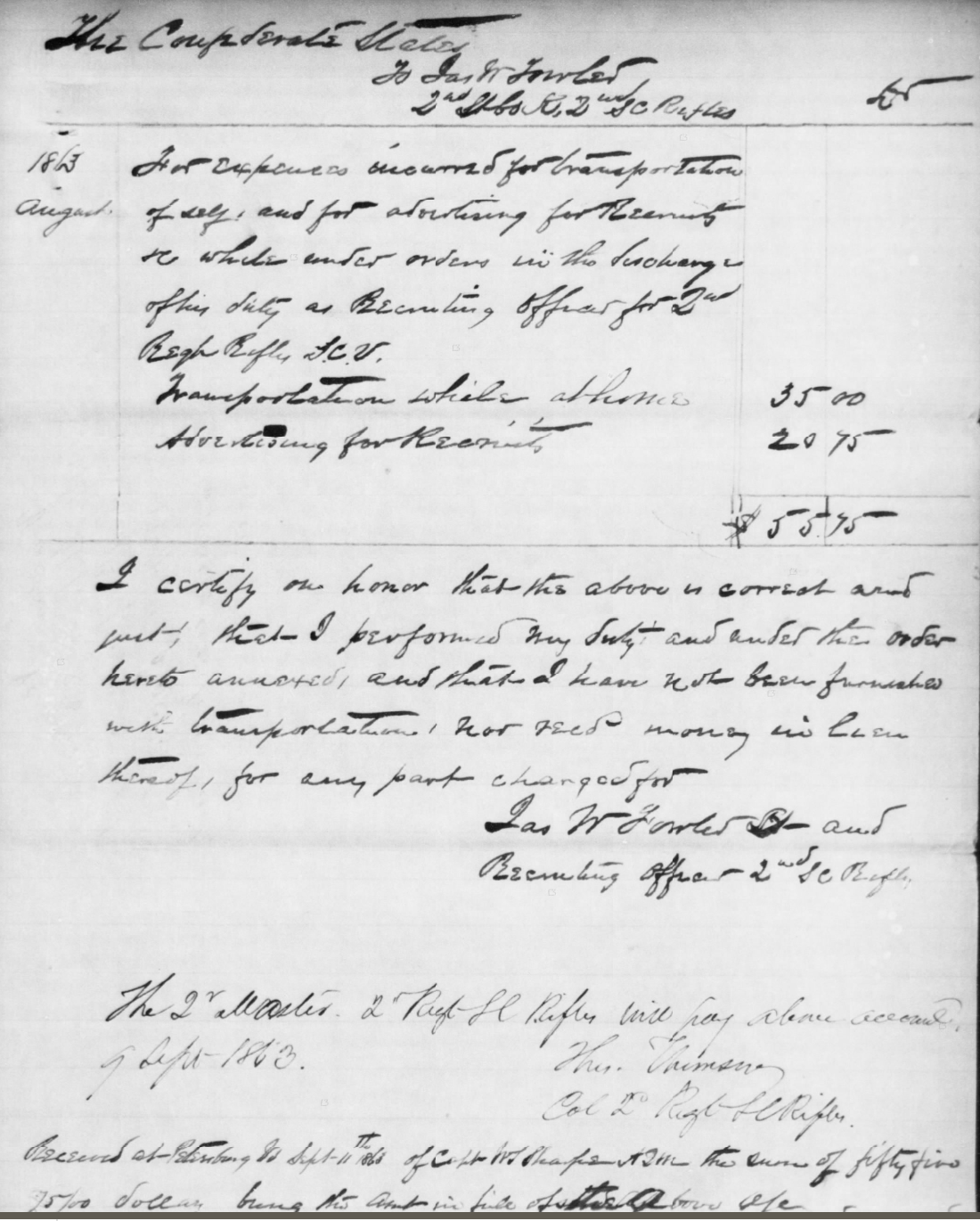
James W. Fowler was also a Recruiting Officer for his company in the Civil War. There are several documents in his military records showing expenses for his travel and other costs involved in obtaining men to take the place of the ones who had died in battle. A single document from his file is followed by its transcription is below:
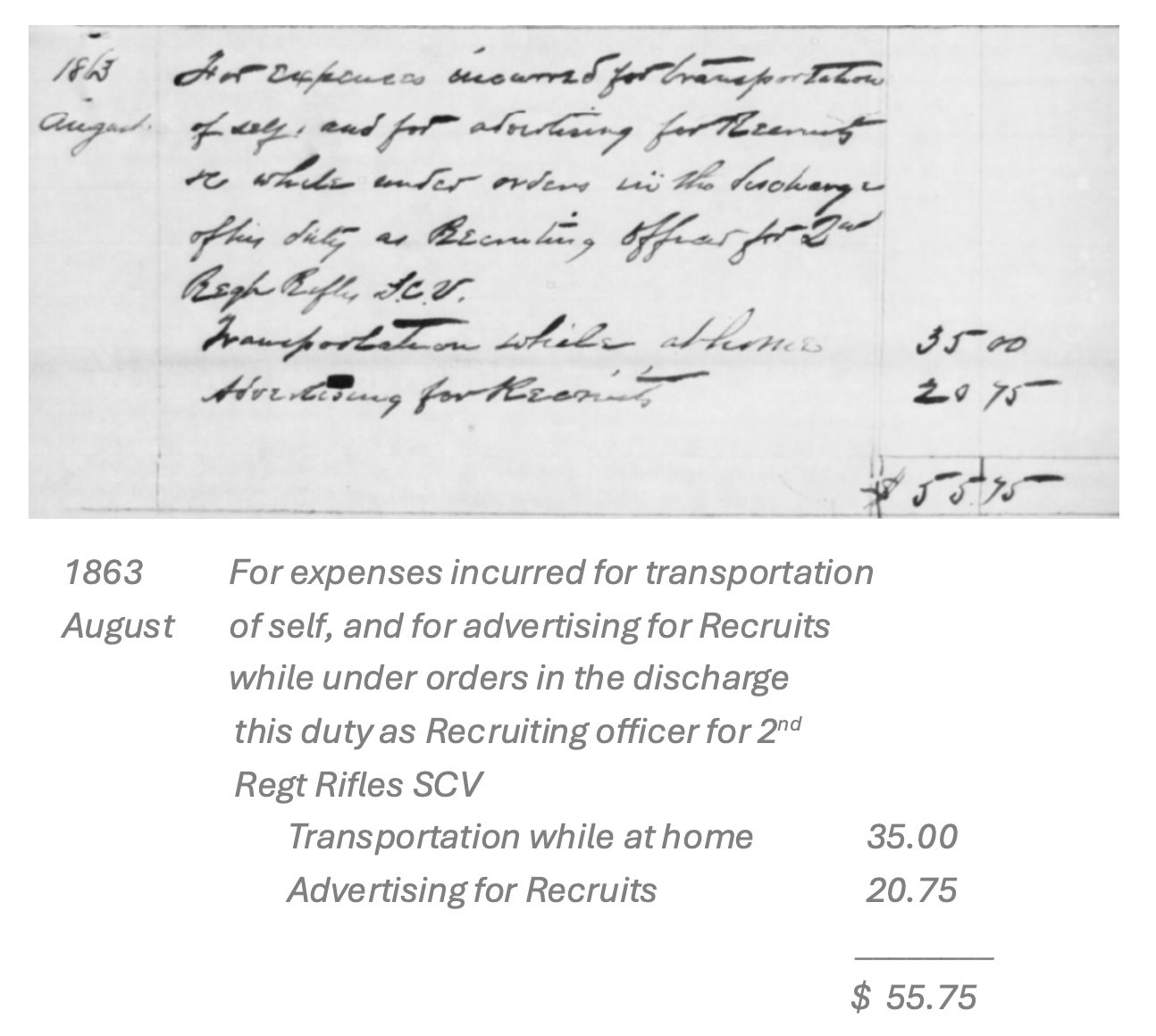
I never thought about recruiting for the Civil War. I always had this image of young southern men rushing off to join the Confederate army the moment they heard the call of battle. “One Southerner can whip ten Yankees” was the very arrogant, very misguided belief of these men who should have heeded the words of Sam Houston:
“Some of you laugh to scorn the idea of bloodshed as the result of secession, but let me tell you what is coming….Your fathers and husbands, your sons and brothers, will be herded at the point of the bayonet….You may after the sacrifice of countless millions of treasure and hundreds of thousands of lives, as a bare possibility, win Southern independence…but I doubt it. I tell you that, while I believe with you in the doctrine of state rights, the North is determined to preserve this Union. They are not a fiery, impulsive people as you are, for they live in colder climates. But when they begin to move in a given direction…they move with the steady momentum and perseverance of a mighty avalanche; and what I fear is, they will overwhelm the South.”
Nevertheless, recruiting was an important job during the war. As the war dragged on, it became obvious that defeat was a southern possibility. Men became more reluctant to rush off and leave their families alone to fend for themselves. And, most of the able-bodied men had already enlisted. The majority back home were either men too old to march off to war, or boys too young.
Bounties were offered. It would take more than the “Call of Glory” to entice men to leave home and head to distance battlefields. The phrase had become too worn, a glorious lie that had been shouted too often and too loudly in the air as the Confederate flag waved valiantly in the breeze.
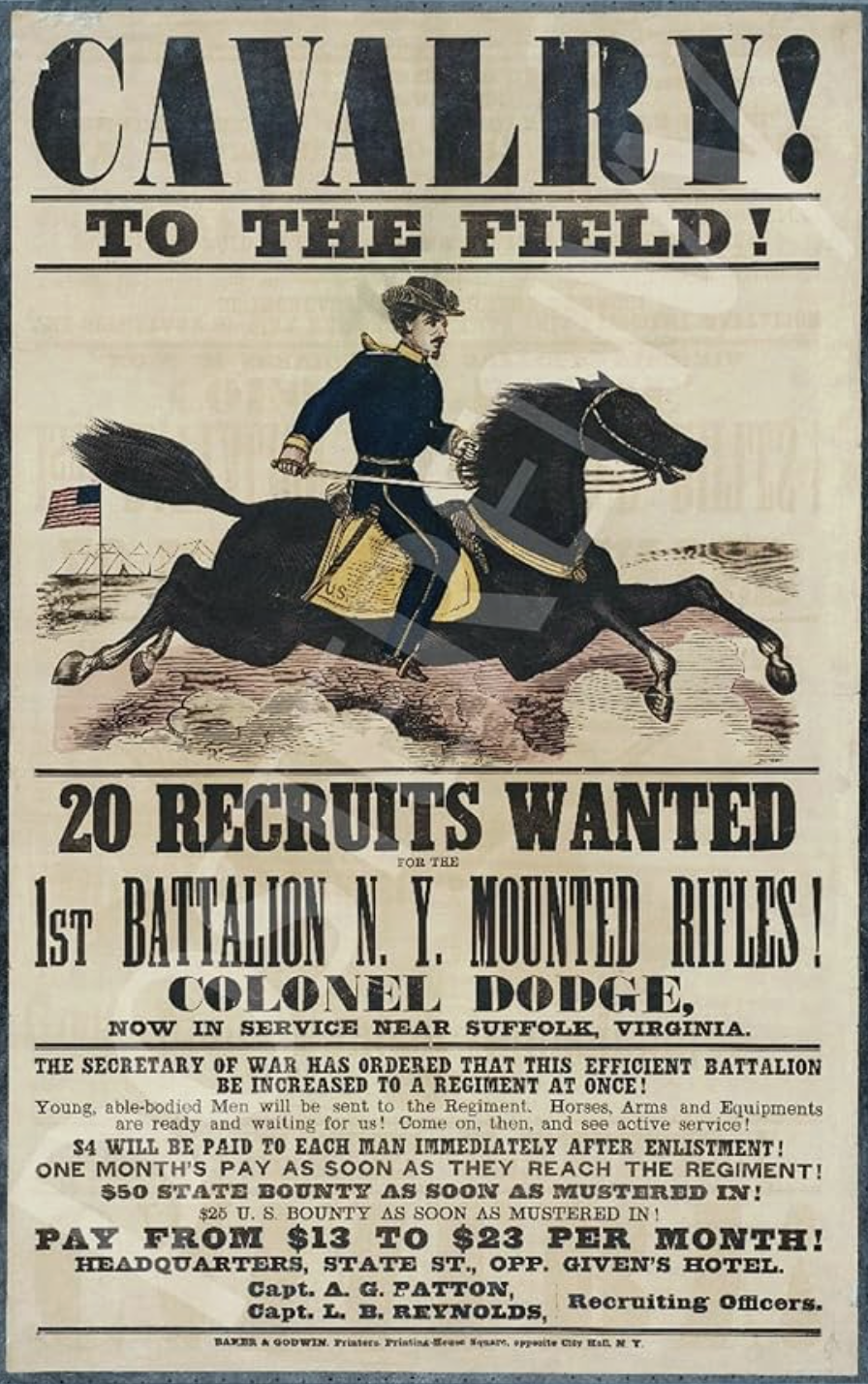
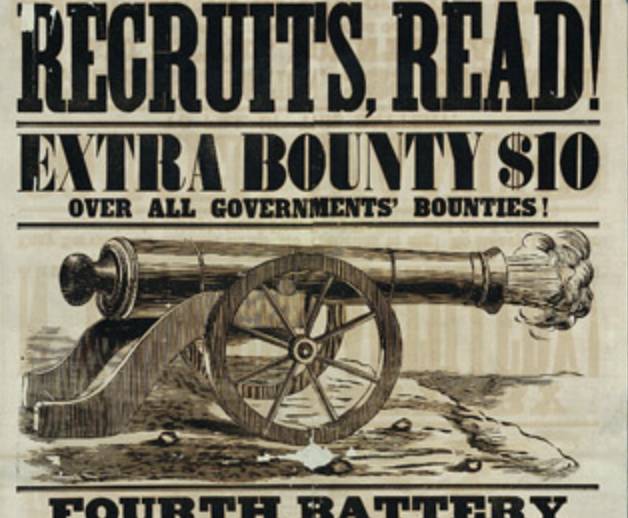
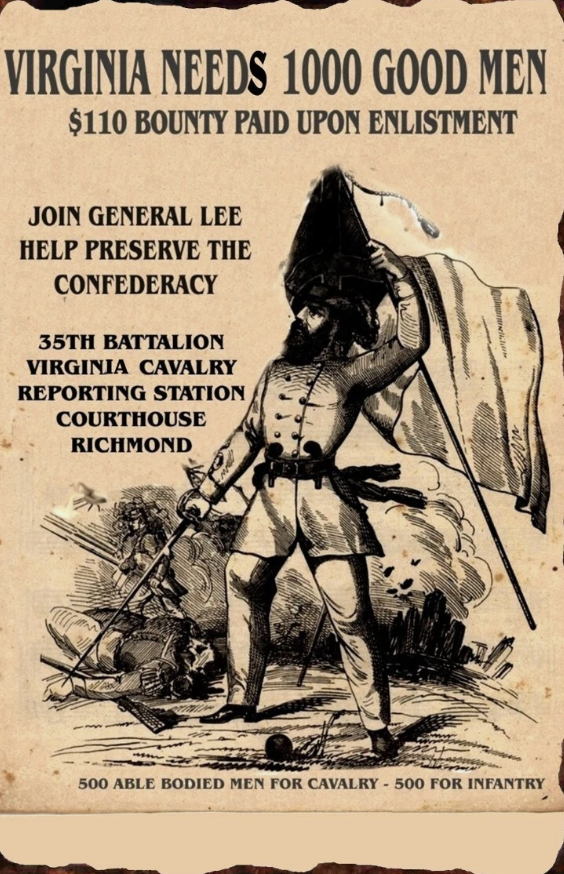
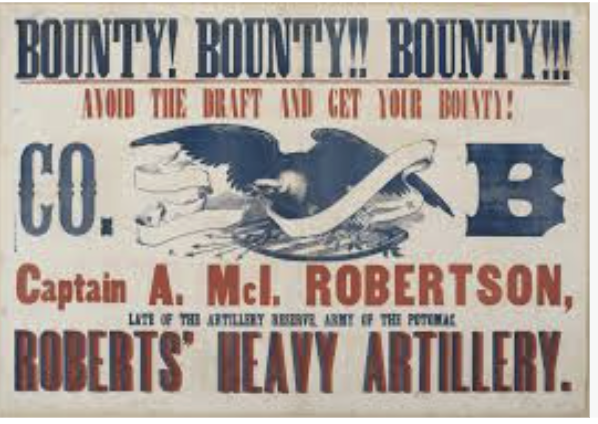
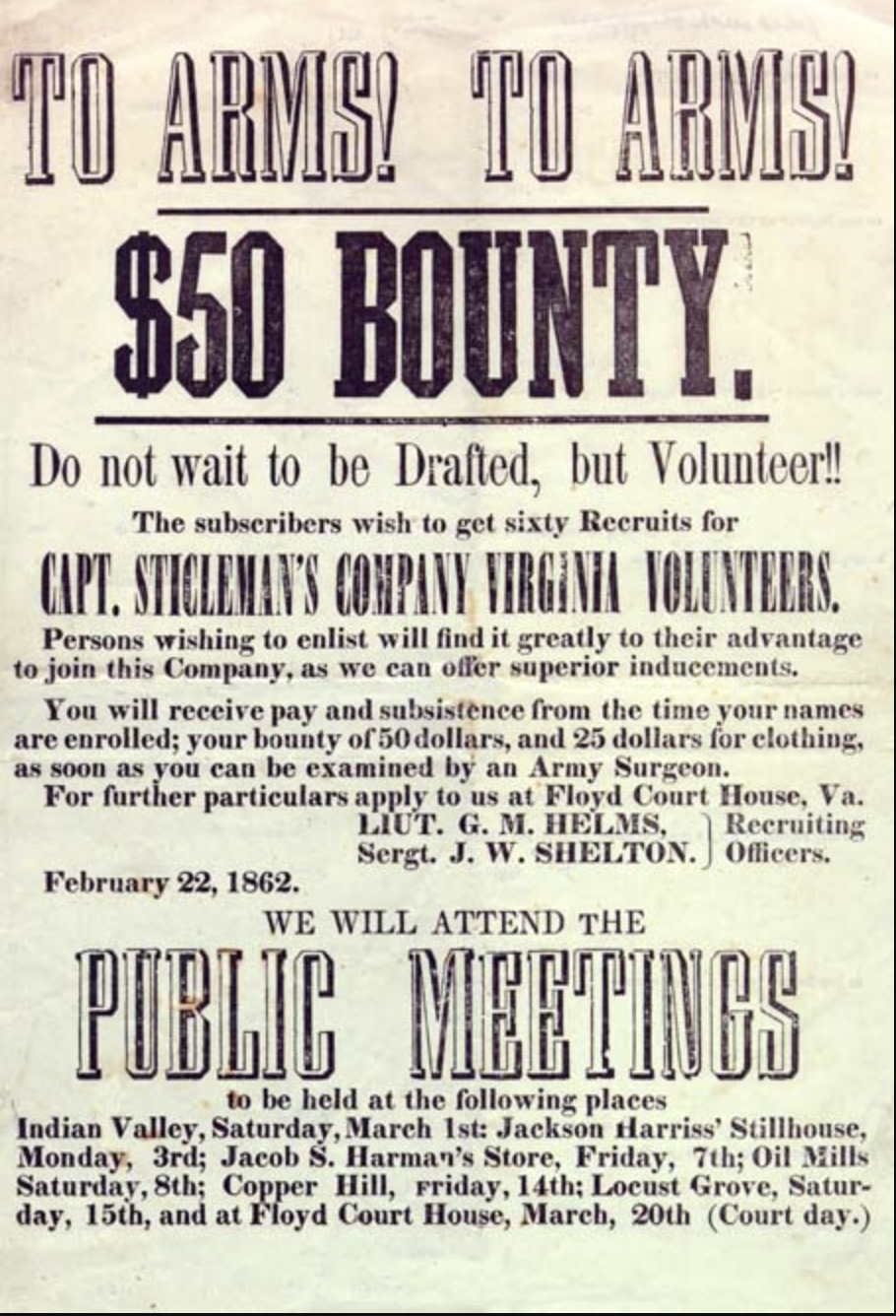
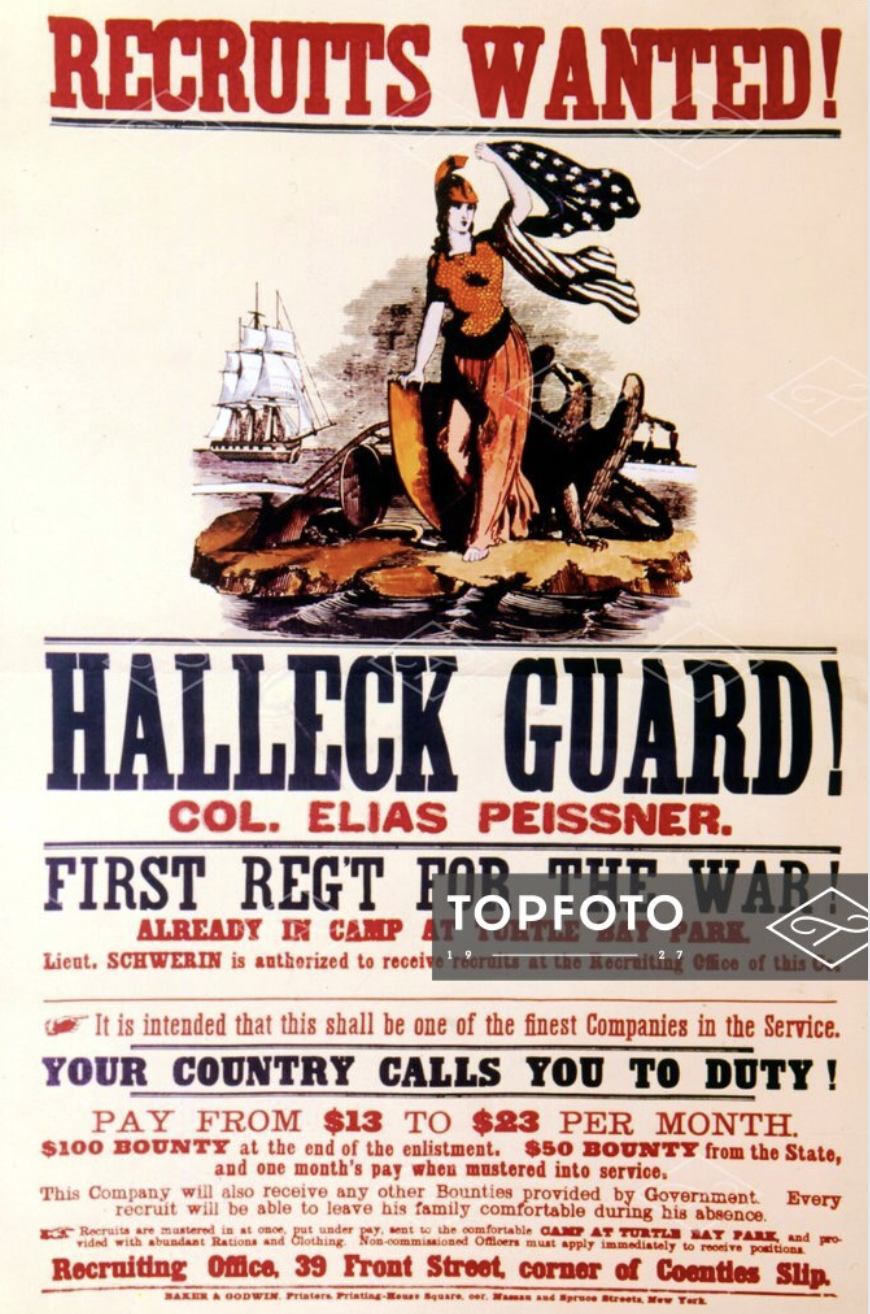
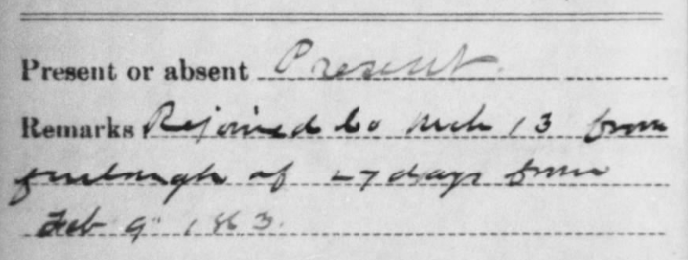
I have analyzed the military records for James W. Fowler. I have followed the movements of his Regiment, studying the battles in which they fought, and noted when Lt. Fowler was present in his company, absent on furlough, sick, or away without leave.
Unlike the other Civil War Confederate soldiers of whom I have researched, it was glaringly apparent that James Fowler was never wounded (or killed) in battle. I have read that soldiers assigned to Quarter Master duties engaged in combat, but perhaps not quite as often as men in the infantry, heavy artillery, or calvary.
The education and talent that Lt. Fowler possessed probably kept him off the front lines. Extremely good luck and the Grace of God kept him above ground.
A detailed look at the military life of James W. Fowler is found in my chart below:
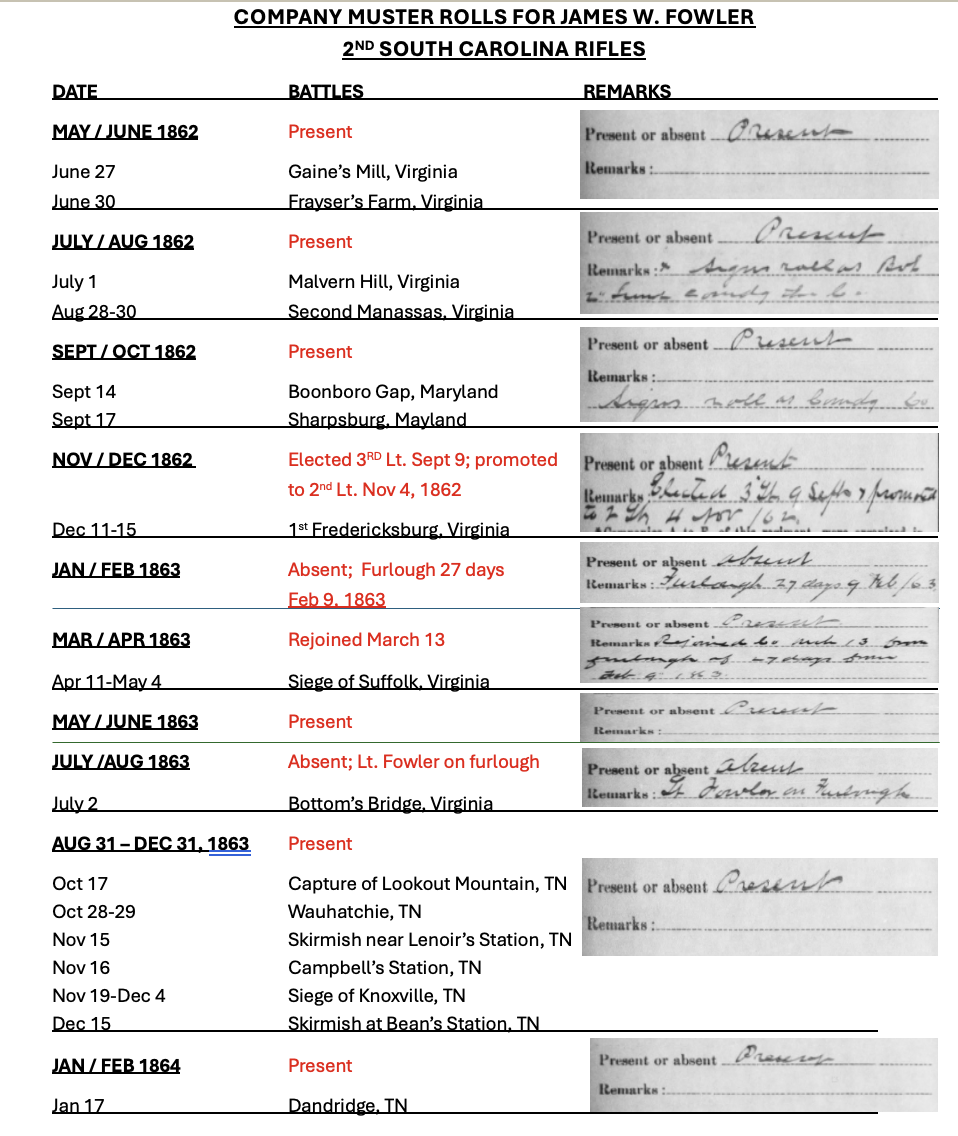
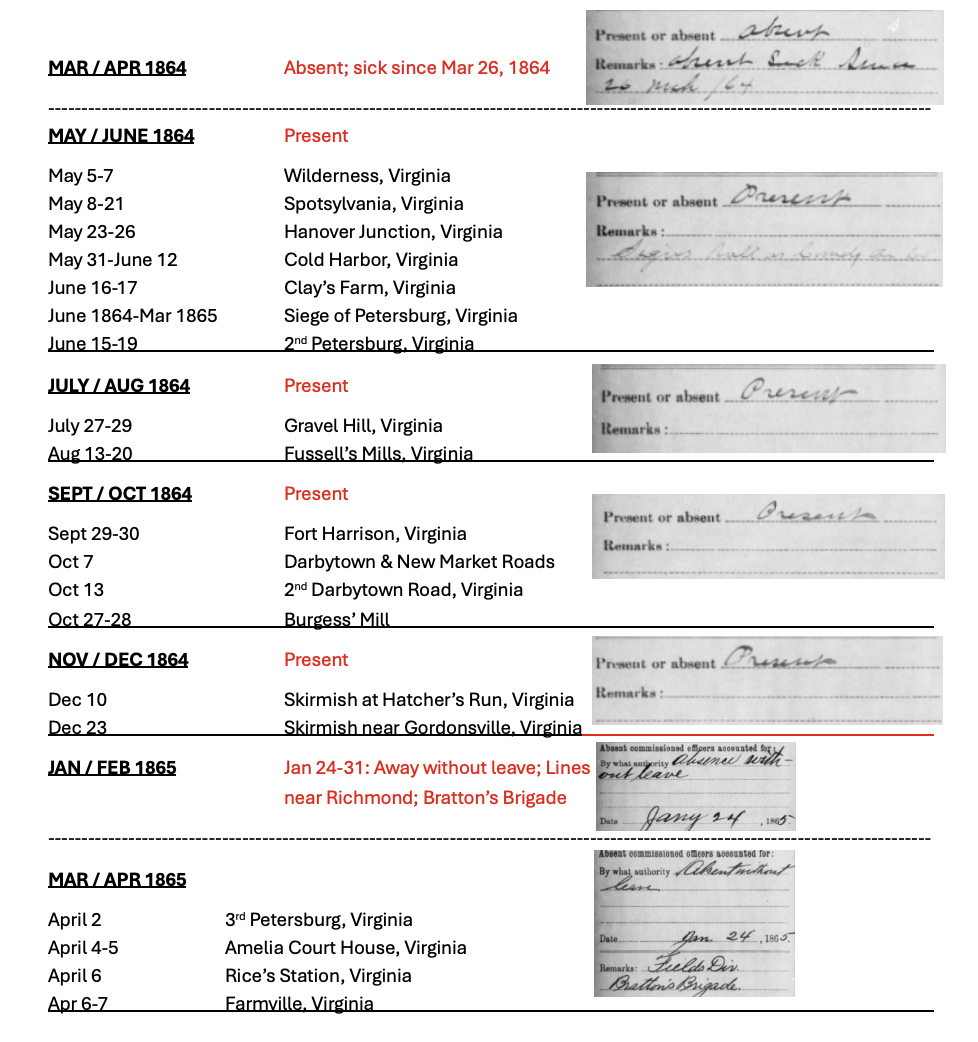
CIVIL WAR MILITARY RECORDS
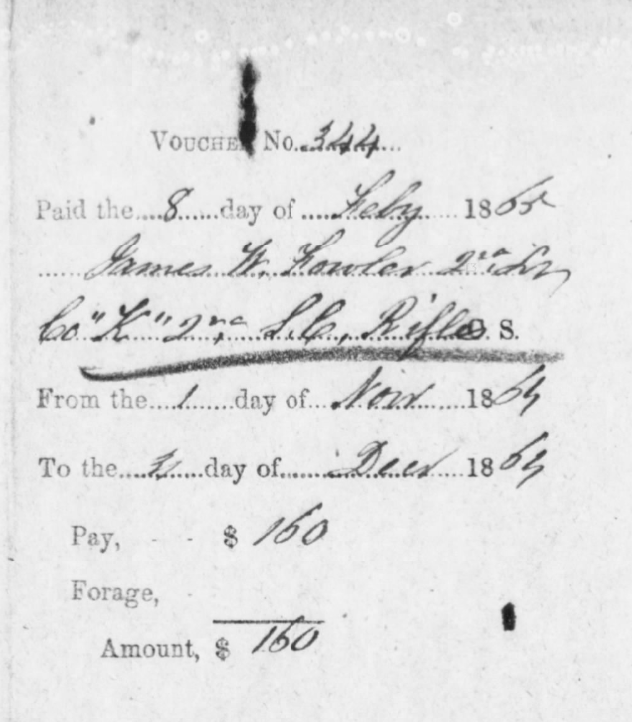
There are many documents in the military records of James W. Fowler. I have only included a fraction of the ones I found.
JAMES W. FOWLER MARRIES ELLA V. SHARPE
James W. Fowler returned home to his wife Cecilia after the end of the war in 1865. They were no doubt joyful at their reunion after an absence of too many years. They would not have known that their time together would be far too short. A long life together was not in the cards for them. Cecelia died in 1868.
In 1870, two years after the death of his first wife, James W. Fowler married again. His second wife was Ella V Sharpe.
Was Ella V. Sharpe related to William S. Sharpe, the Assistant Civil War Quarter Master with whom James W. Fowler worked? I do not yet know. I have not followed this path of research as of today.
Ella V. Sharpe, born in 1851, was the daughter of Johnson H. Sharpe and Jane Caroline Morrah, both whom were born in South Carolina. They were in Abbeville in 1840. The Sharpe family moved to Panola County Mississippi where Ella and her sister Mary Francis Sharpe were born.
I do not know when Ella made her way back to Abbeville, but she and her newly wed husband lived there in 1870. Ella’s sister Mary Francis Sharpe was sixteen-years old and in the household.
After the war, James W. Fowler had resumed business as a Dry Goods Merchant.

THE MOVE TO MISSOURI
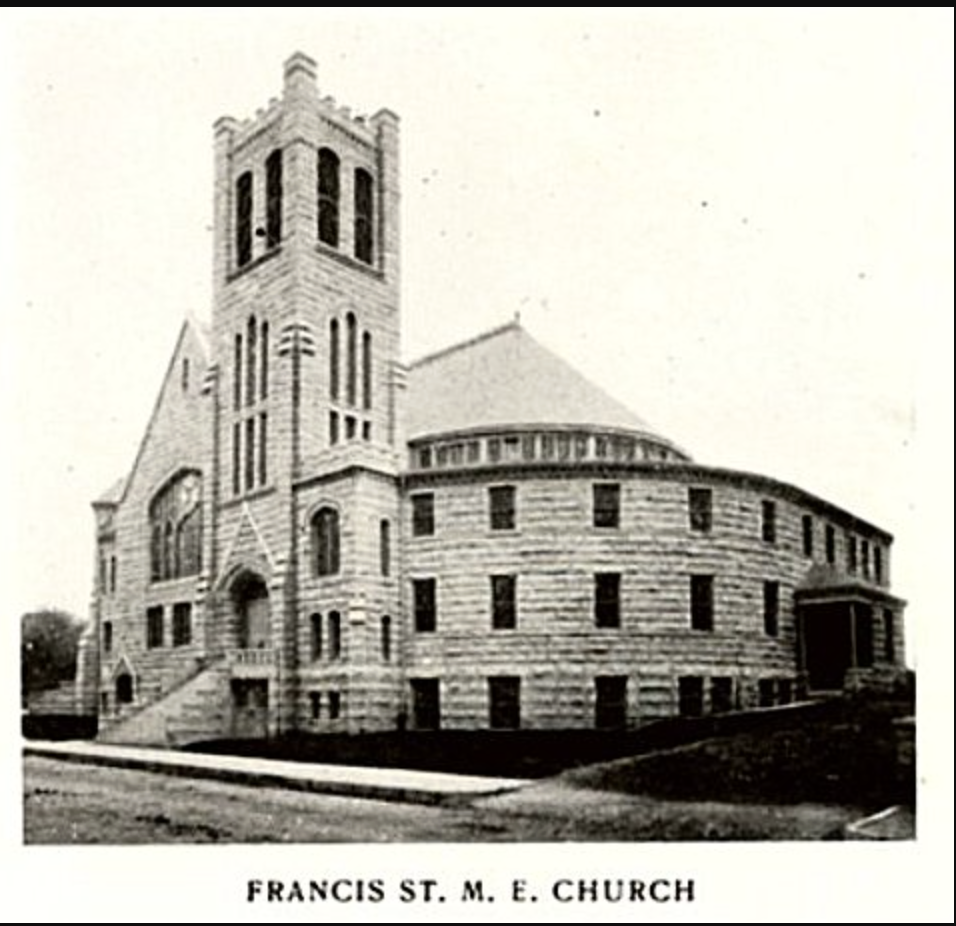
James W. Fowler, second wife Ella Sharp Fowler and Mary Francis Sharpe moved to St. Joseph, Missouri in 1874. They joined the Francis Street Methodist Church. Their funerals would take place in this beautiful stone church many years later.
Mary Francis Sharpe would marry James W. Boyd, a prominent attorney in St Joseph. They would have a daughter whom they named Ella.
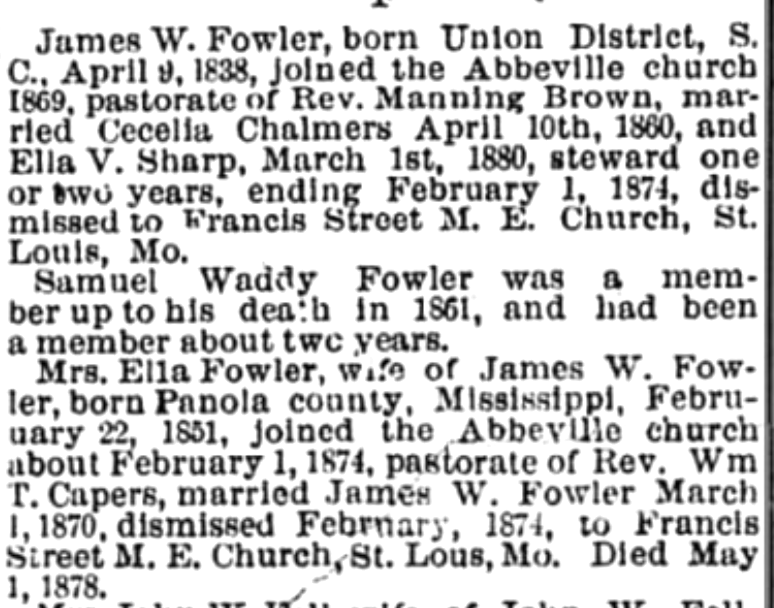
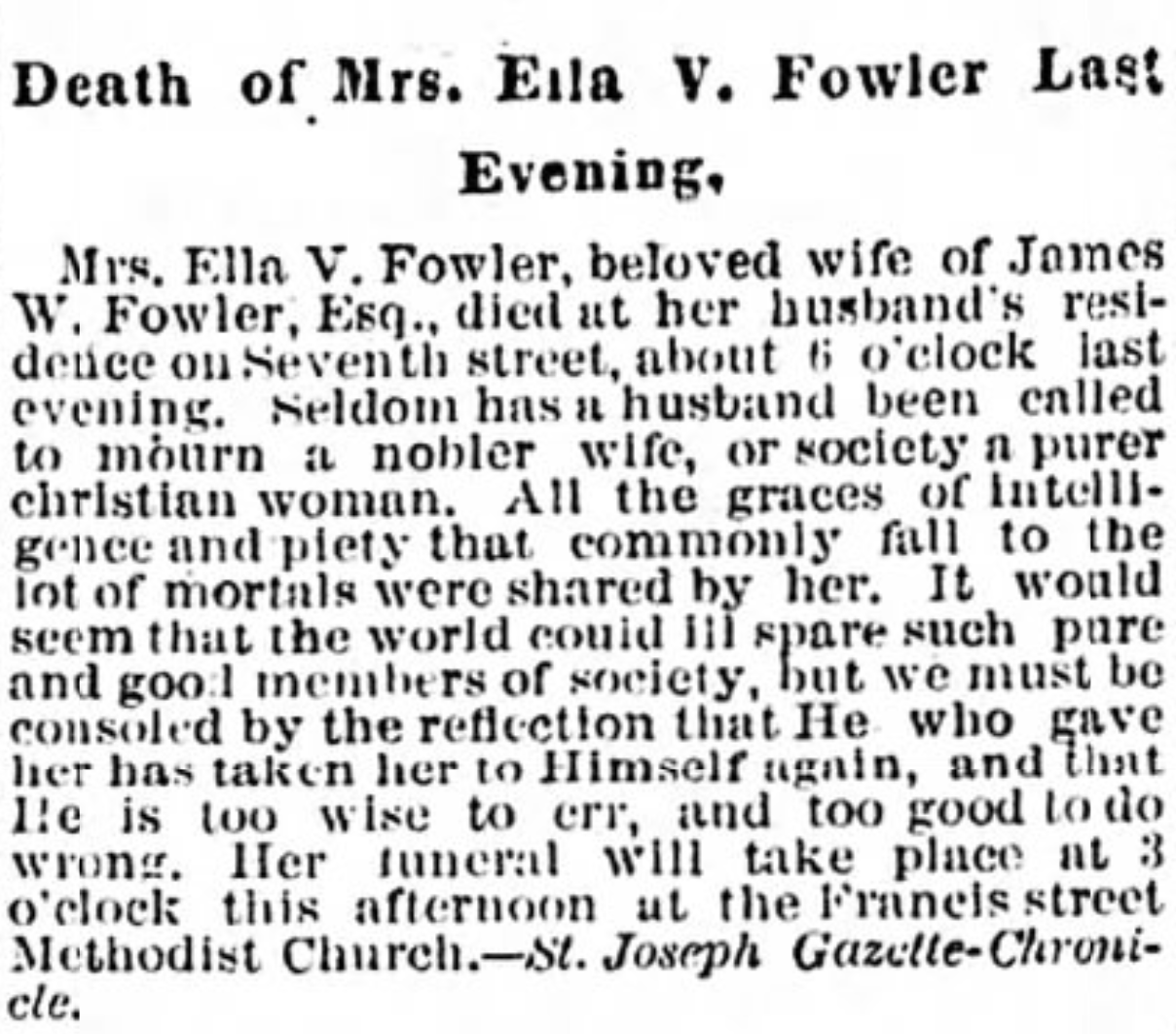
Ella Sharpe Fowler died on May 1, 1878. Her marriage to James W. Fowler had only lasted seven years. Her obituary would sing her praises to the world. Her funeral was the first in the family to held in the beautiful stone church on Francis Street.
Ella would be mourned, and missed, by all who knew her, none more so than the man who had made her his wife.
Thu, May 02, 1878 ·Page 8
Mrs. Ella V. Fowler, beloved wife of James W. Fowler, Esq., died at her husband’s residence on Seventh street, about 6 o’clock last evening. Seldom has a husband been called to mourn a nobler wife, or society a purer christian woman. All the graces of intelligence and piety that commonly fall to the lot of mortals were shared by her. It would seem that the world could ill spare such pure and good members of society, but we must be consoled by the reflection that He who gave her has taken her to Himself again, and that He is too wise to err, and too good to do wrong. Her funeral will take place at 3 o’clock this afternoon at the Francis street Methodist Church.
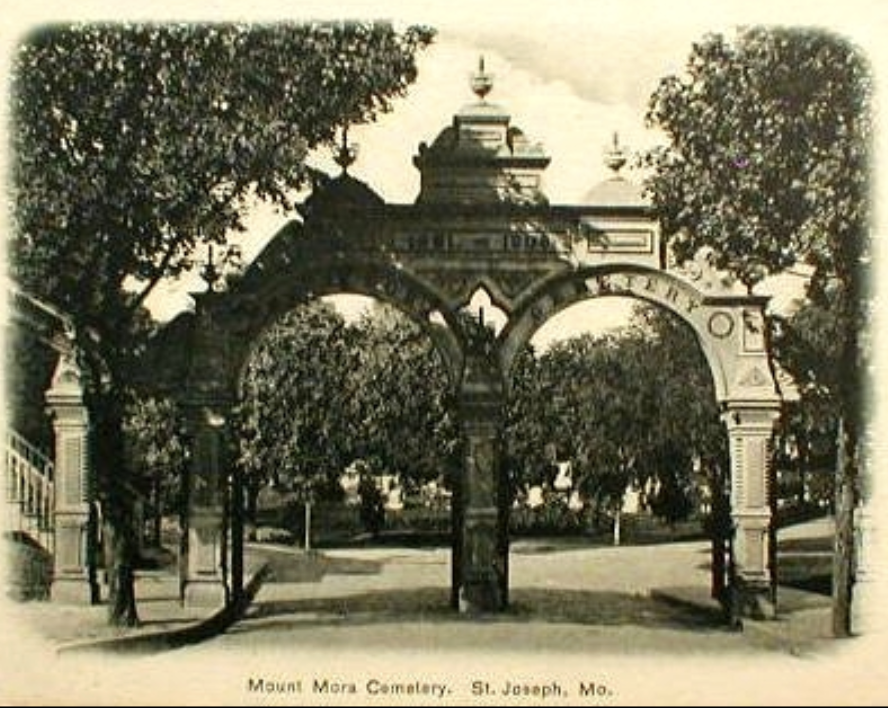
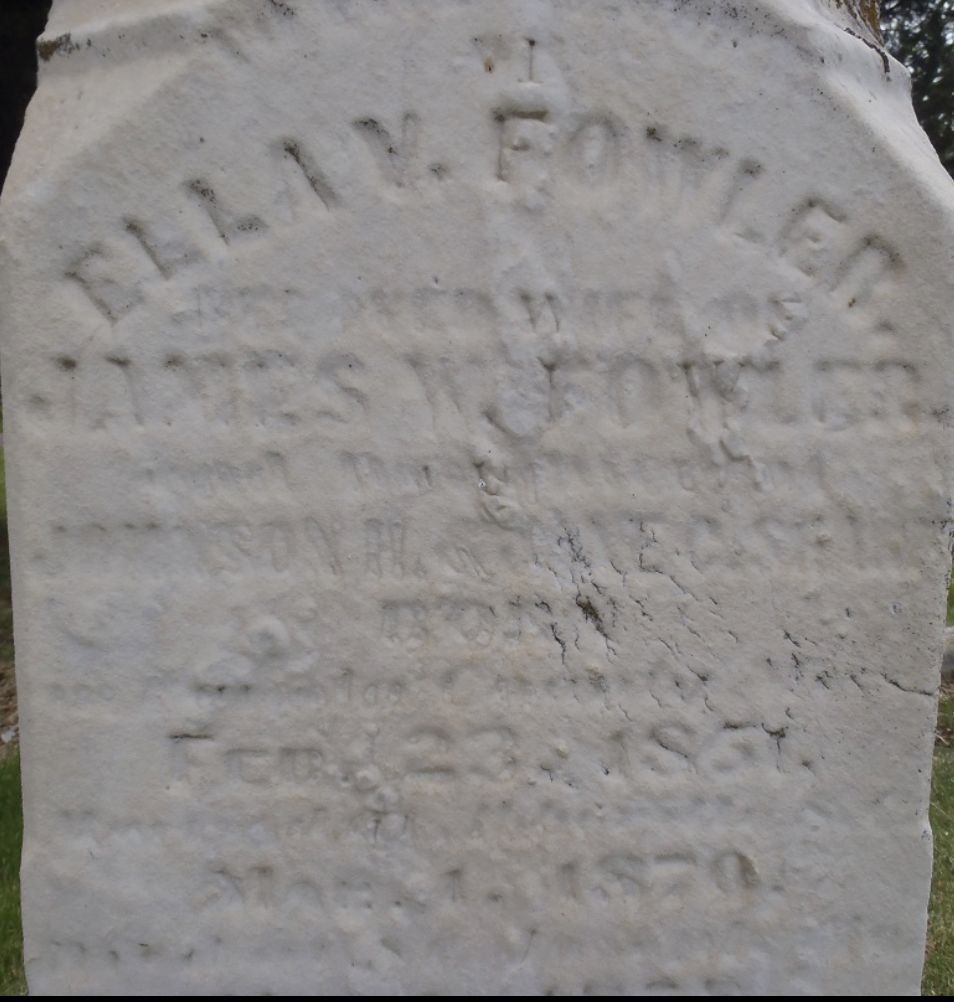
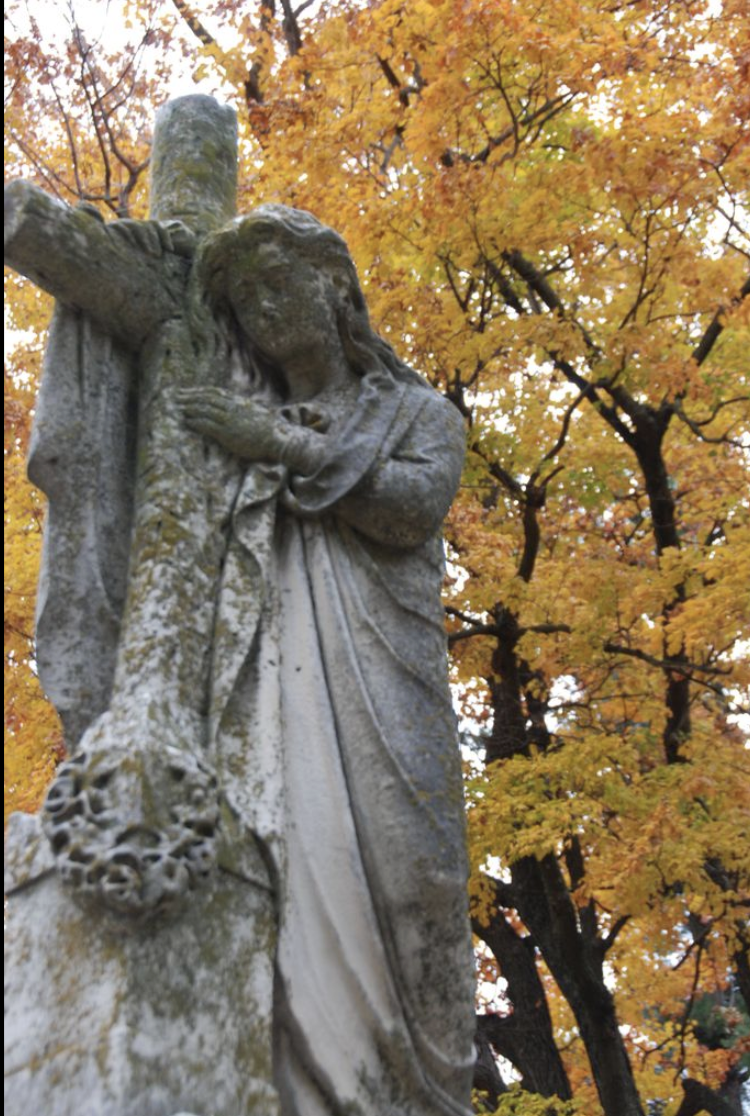
Ella Sharpe Fowler would be laid to rest at Mount Mora Cemetery in St. Joseph.
FOWLER’S FASHION PALACE
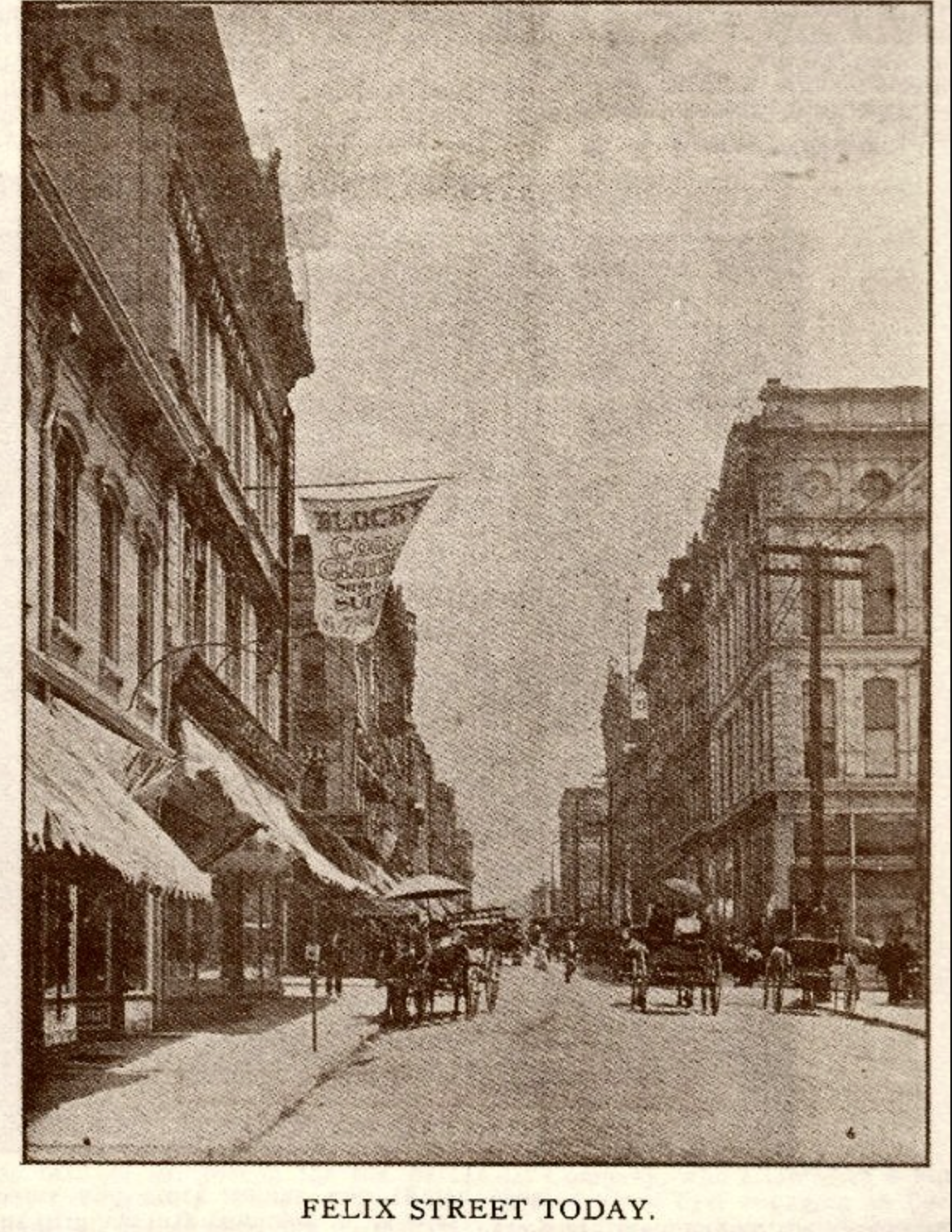
At some time after his arrival into the city of St. Joseph, James W. Fowler formed a company with John H. Brewater and Thomas G. Brewater. The firm — Brewater, Fowler & Company — operated a dry goods store called Fashion Palace at 513 Felix Street.
The Brewater brothers and James W. Fowler dissolved the company on September 1, 1877. John H. Brewater continued in his own business ventures which included rental houses, and operating a shoe store on Felix Street.
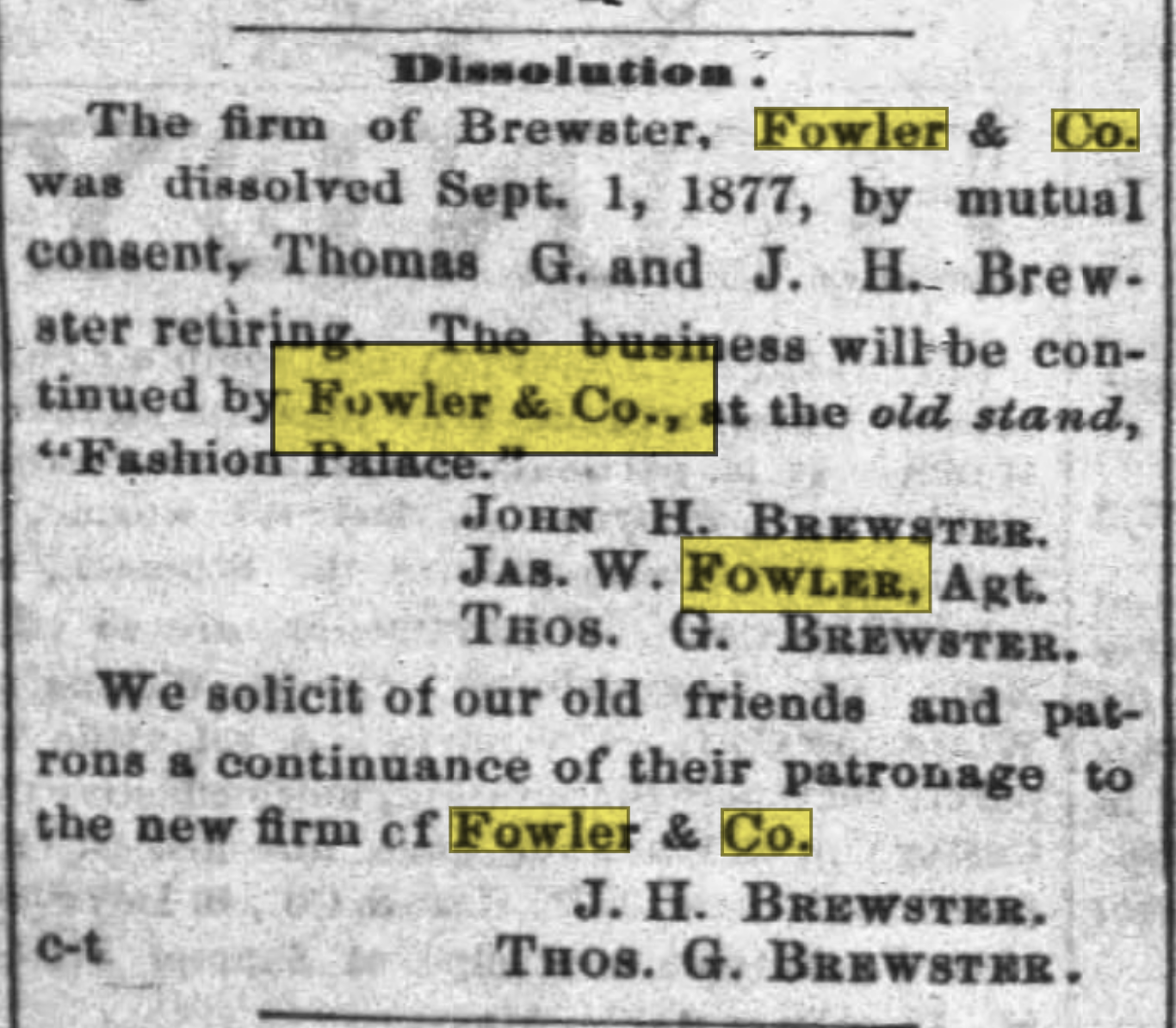
James W. Fowler began his own firm — Fowler & Company — and assumed sole control of the dry goods store; The Fashion Palace was was reborn as Fowler’s Fashion Palace.
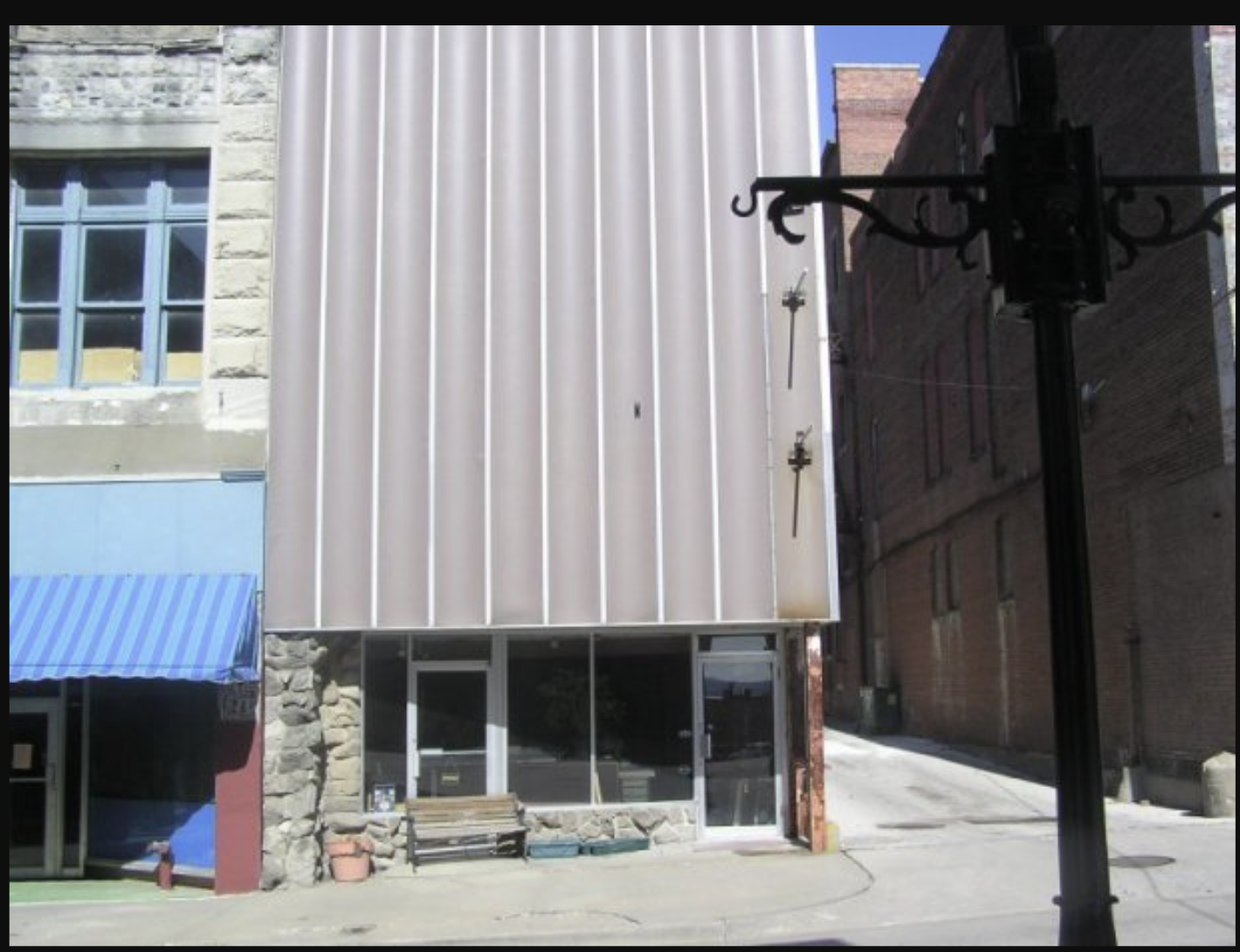
The photo below is of a building at 513 Felix Street. Was this Fowler’s Fashion Palace? His dry goods store was in the “Stone Building” and this fits the description of a building made of stone.
AN ADVERTISING HISTORY OF FOWLER’S FASHION PALACE
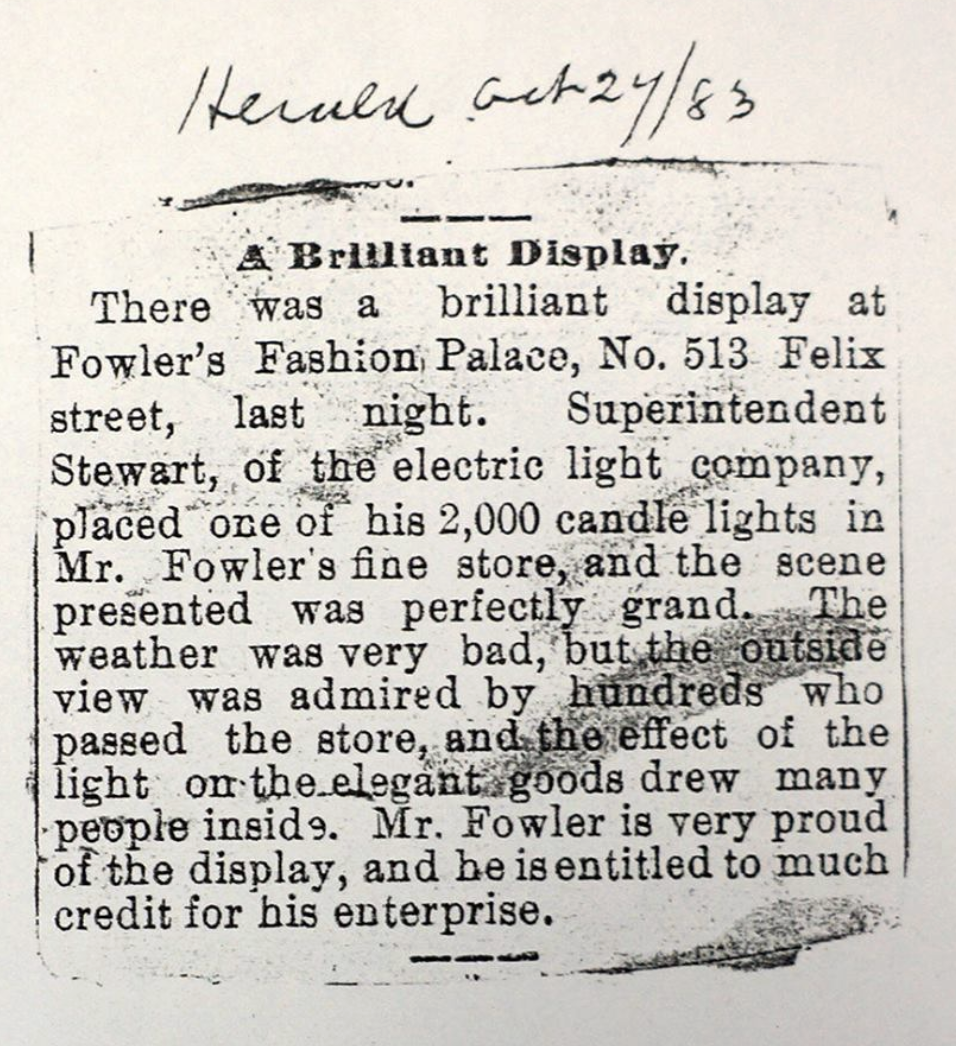
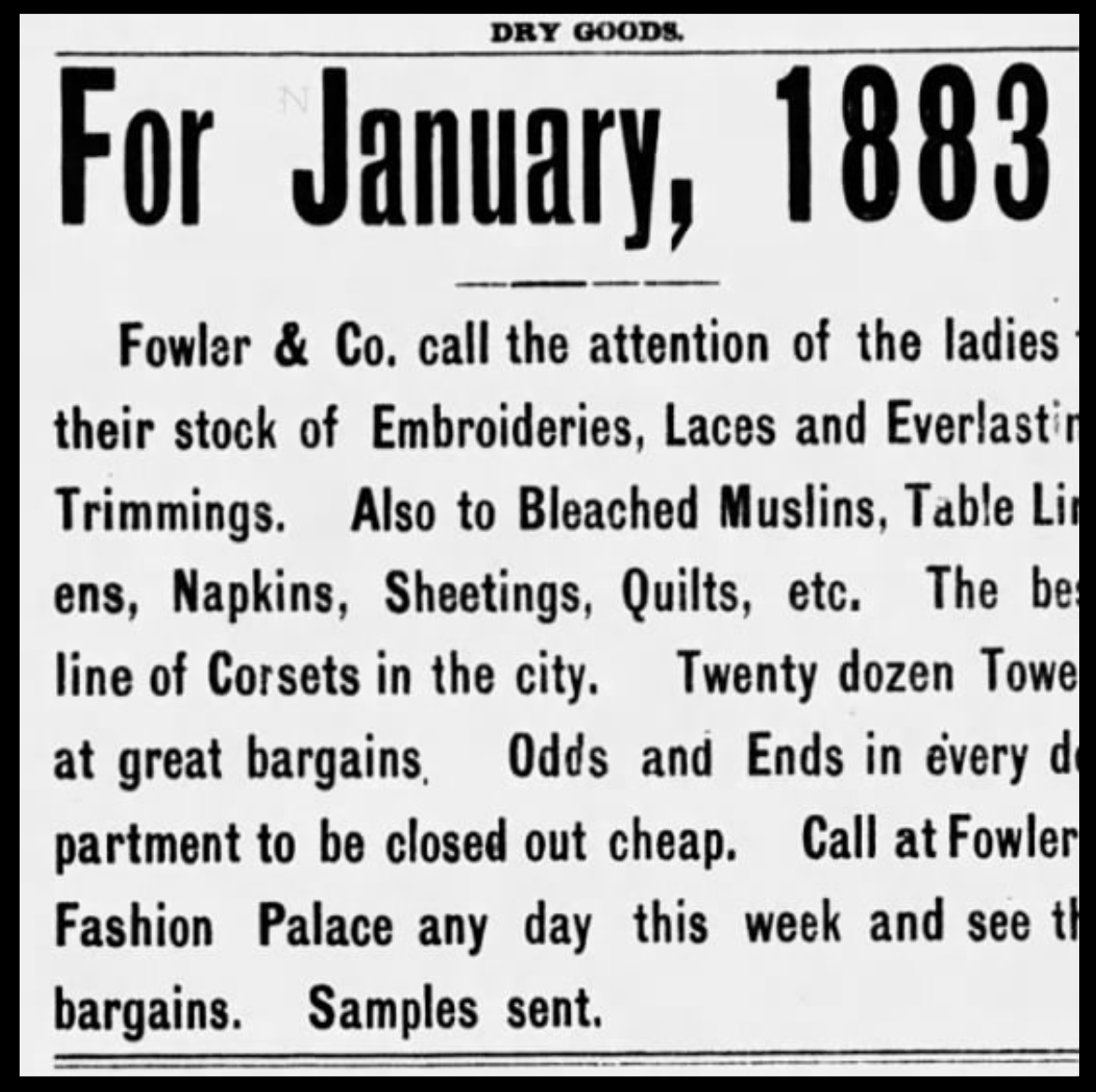
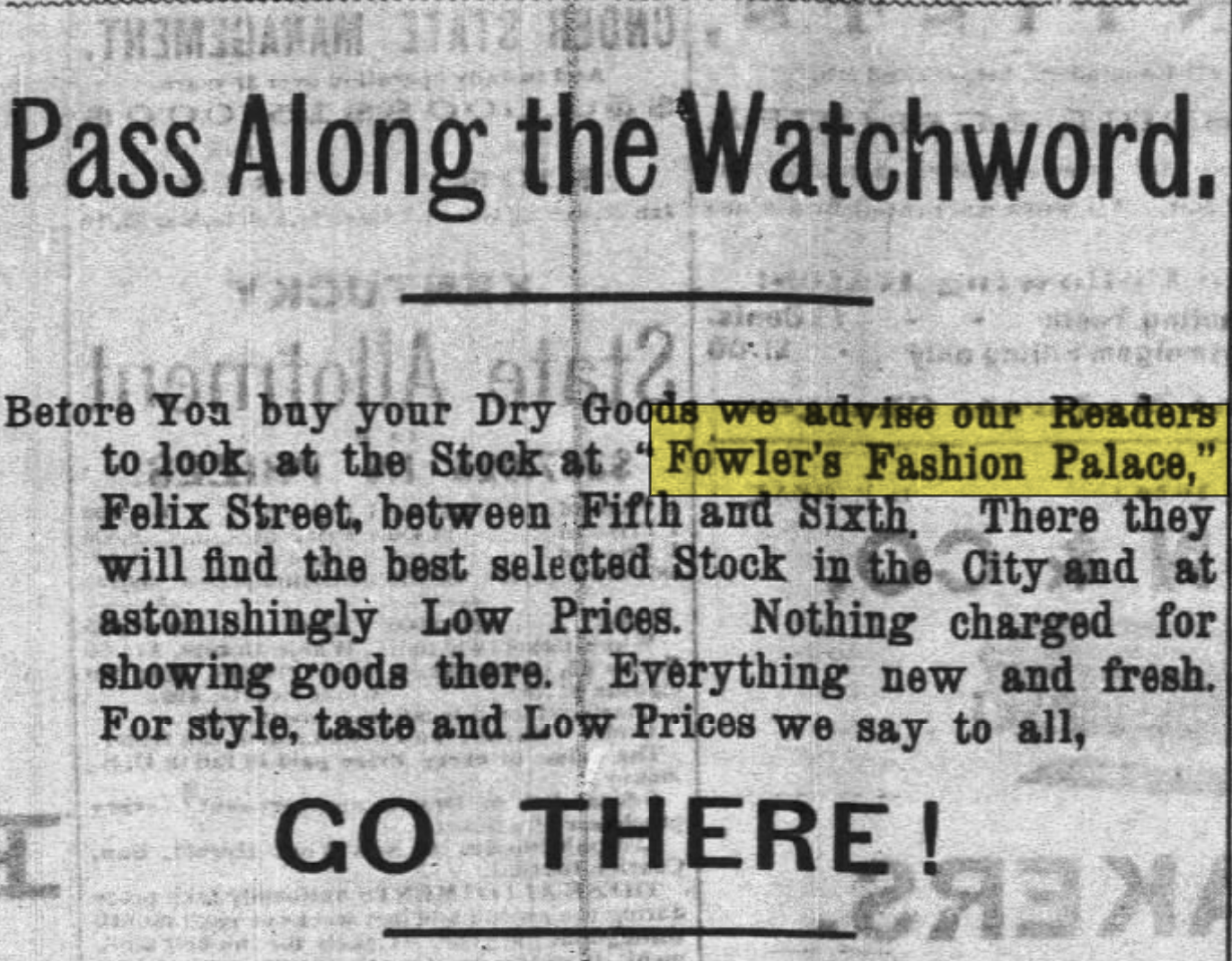
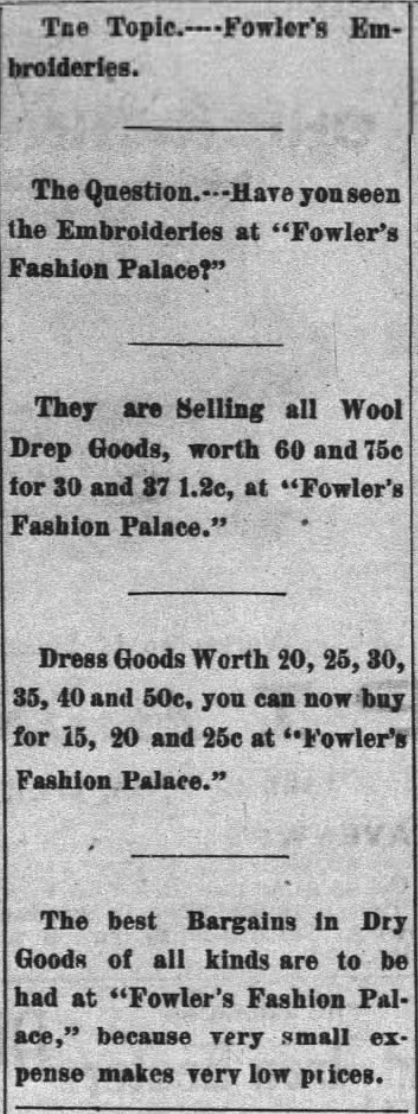
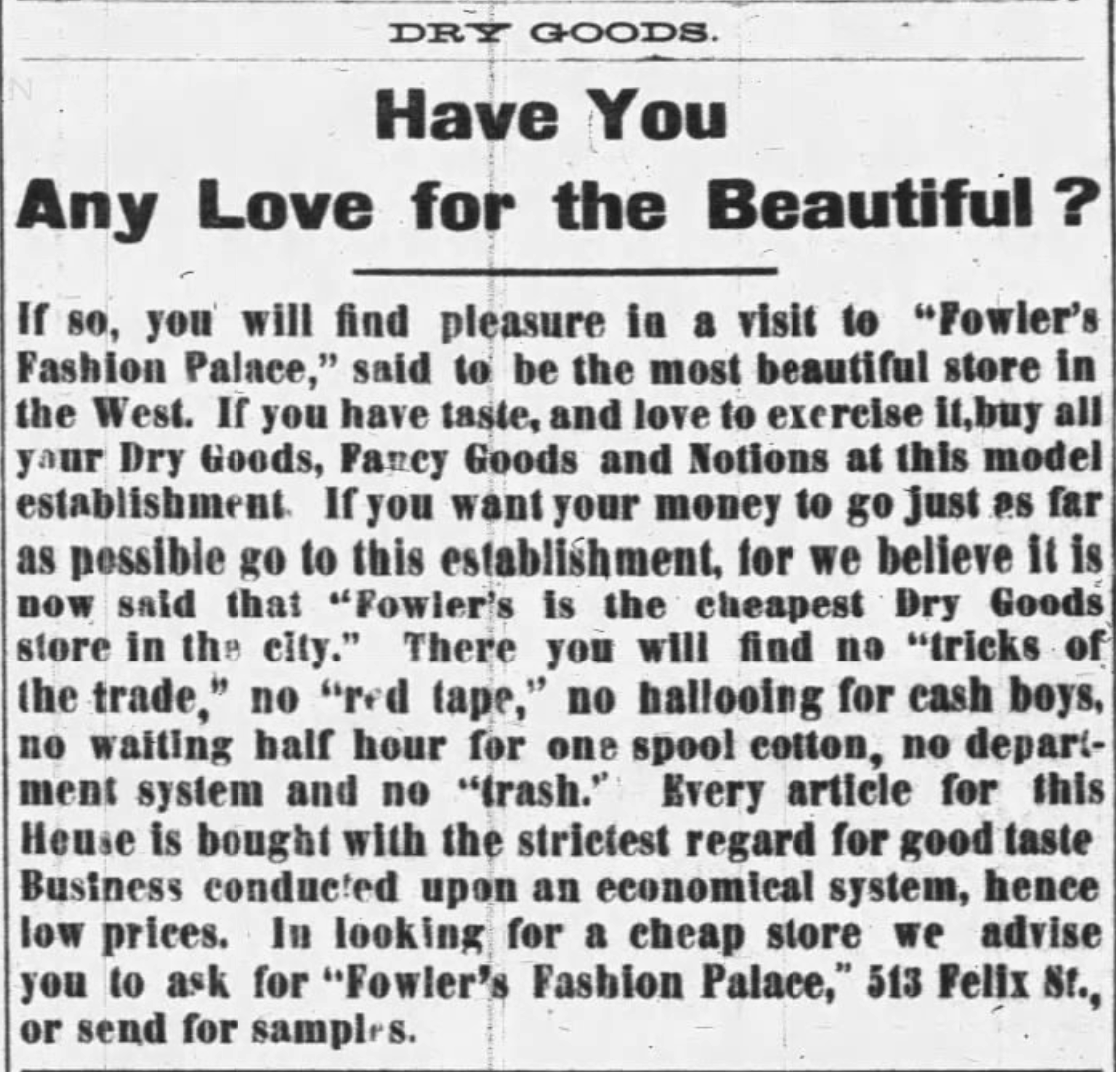
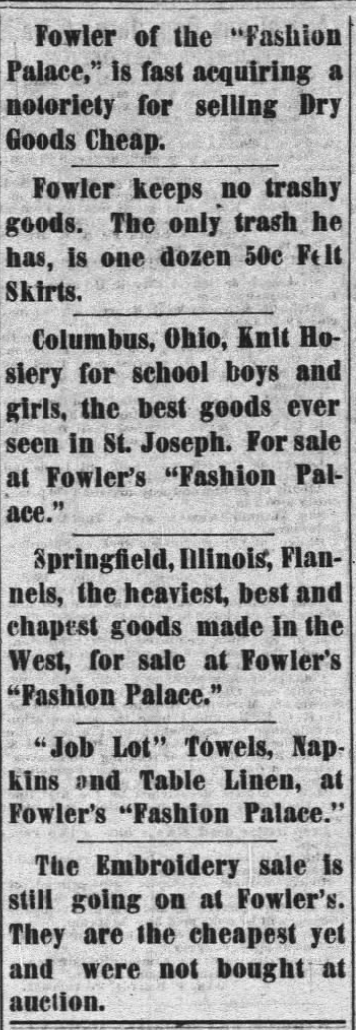
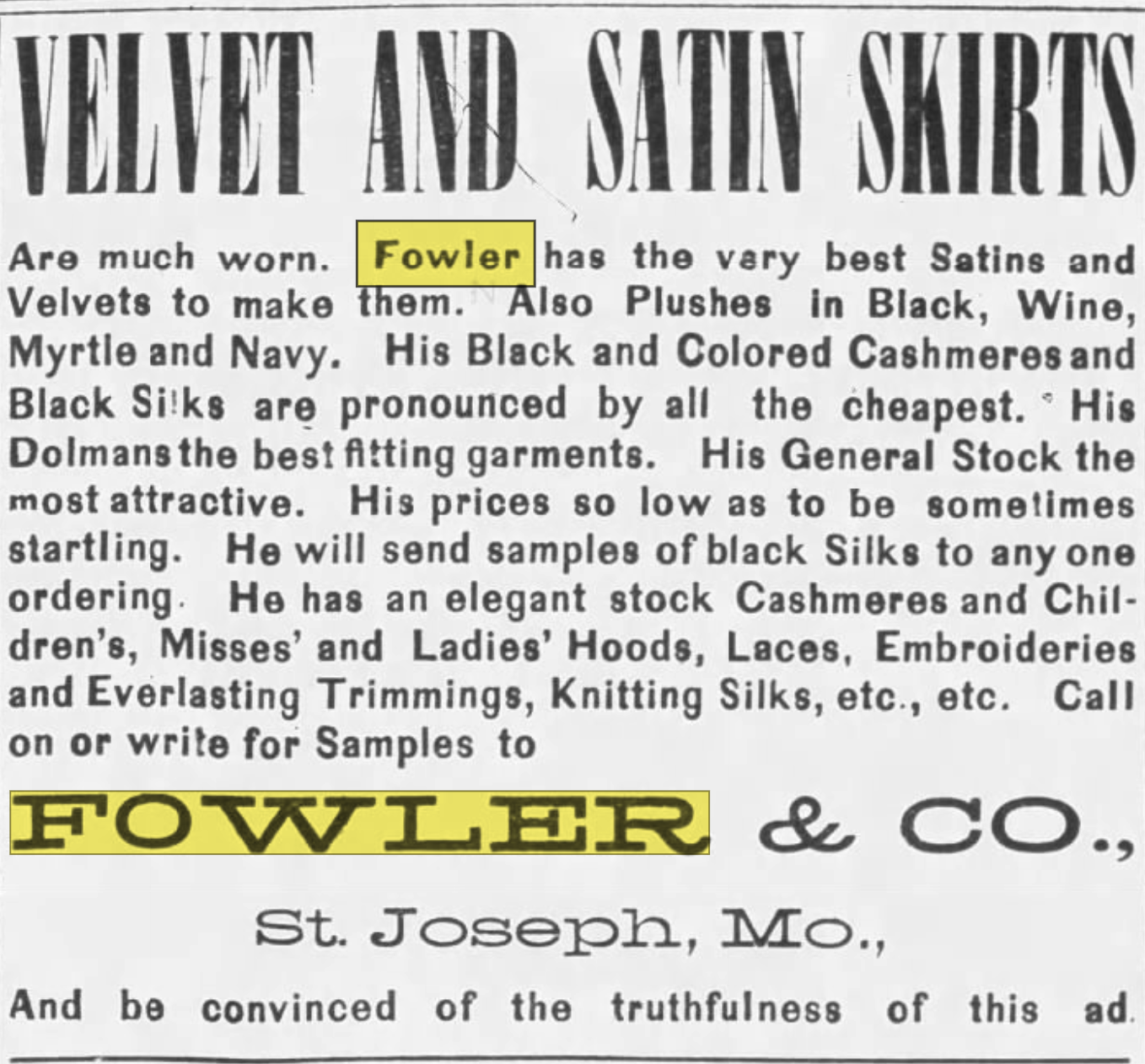
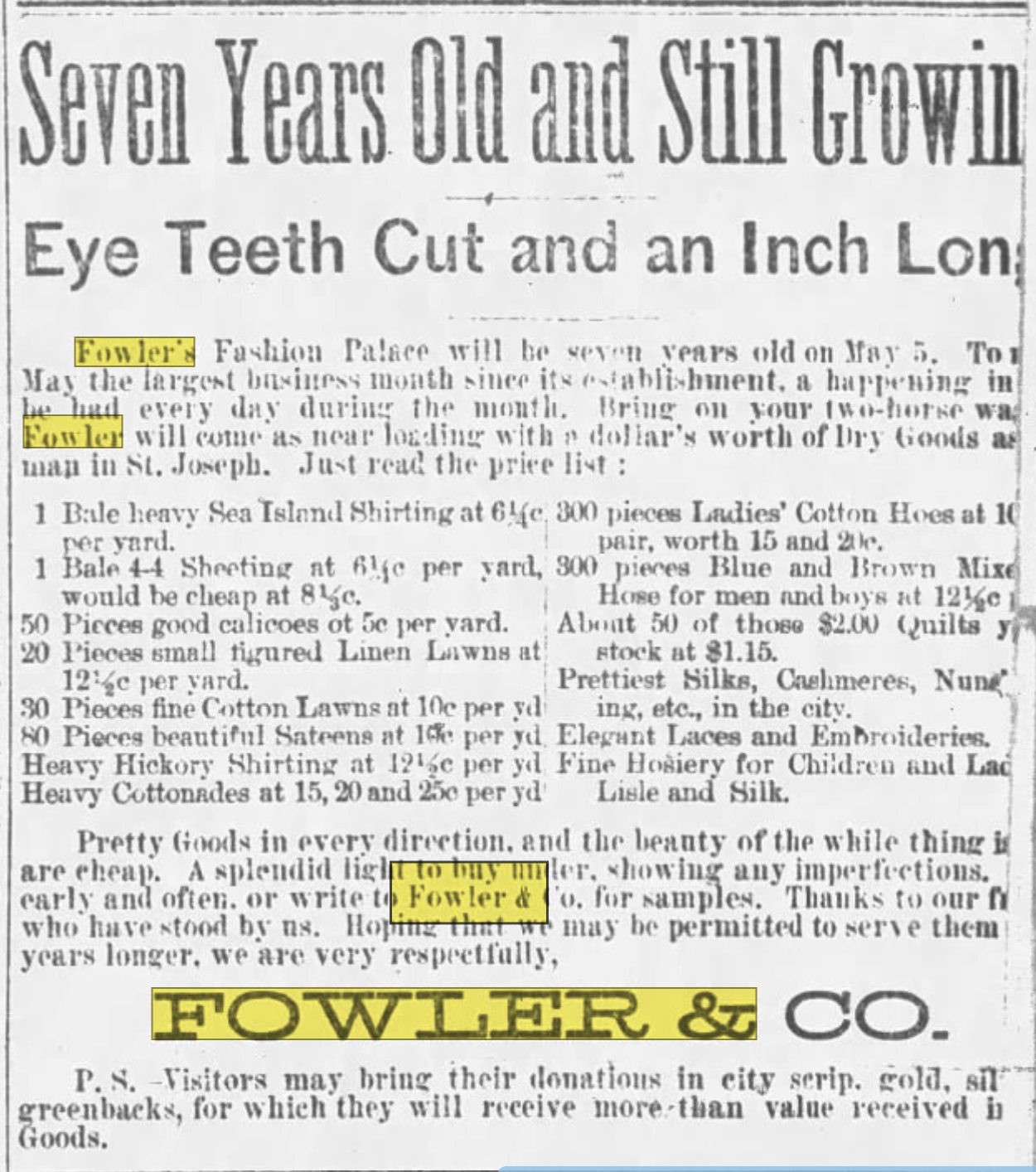
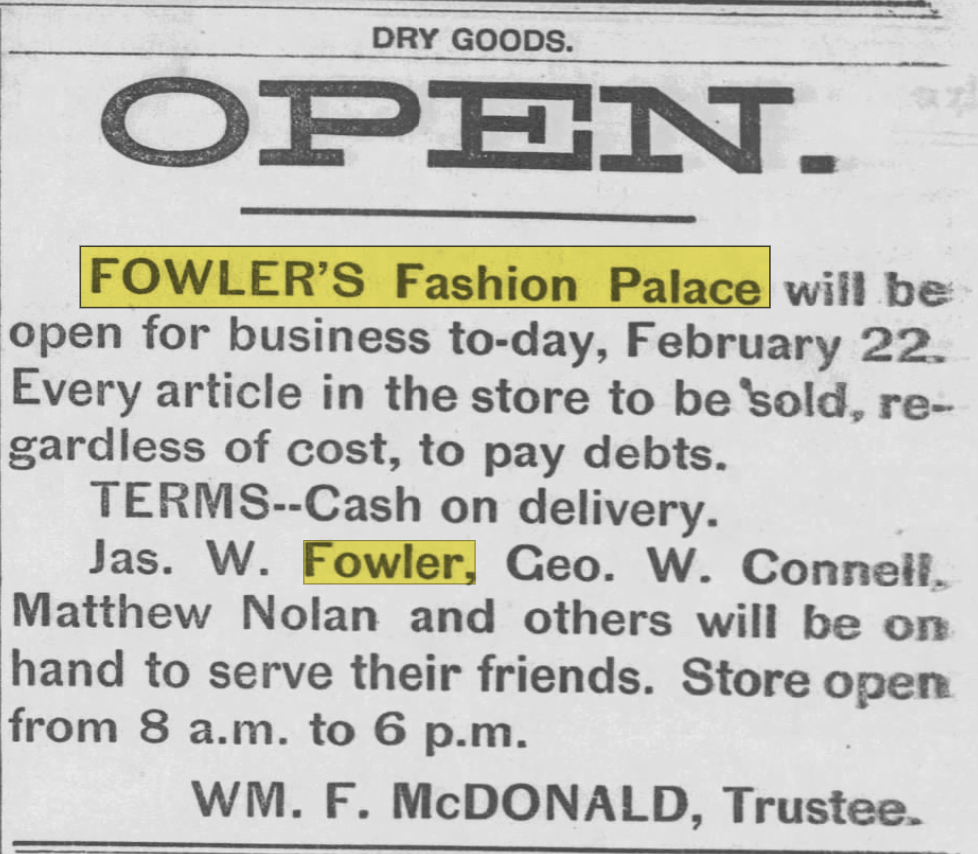
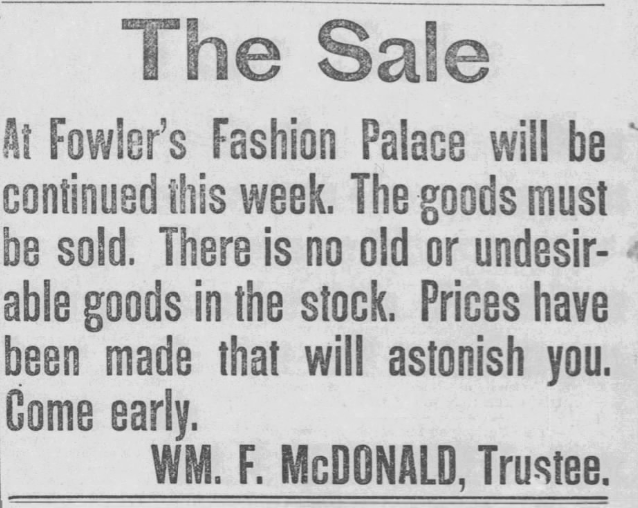
A mention in the paper celebrating “seven years old and still growing” may have been a last ditch effort to drum up new customers. In spite of extensive advertising in the local newspaper, the business failed, and in 1884, the inventory was liquidated.
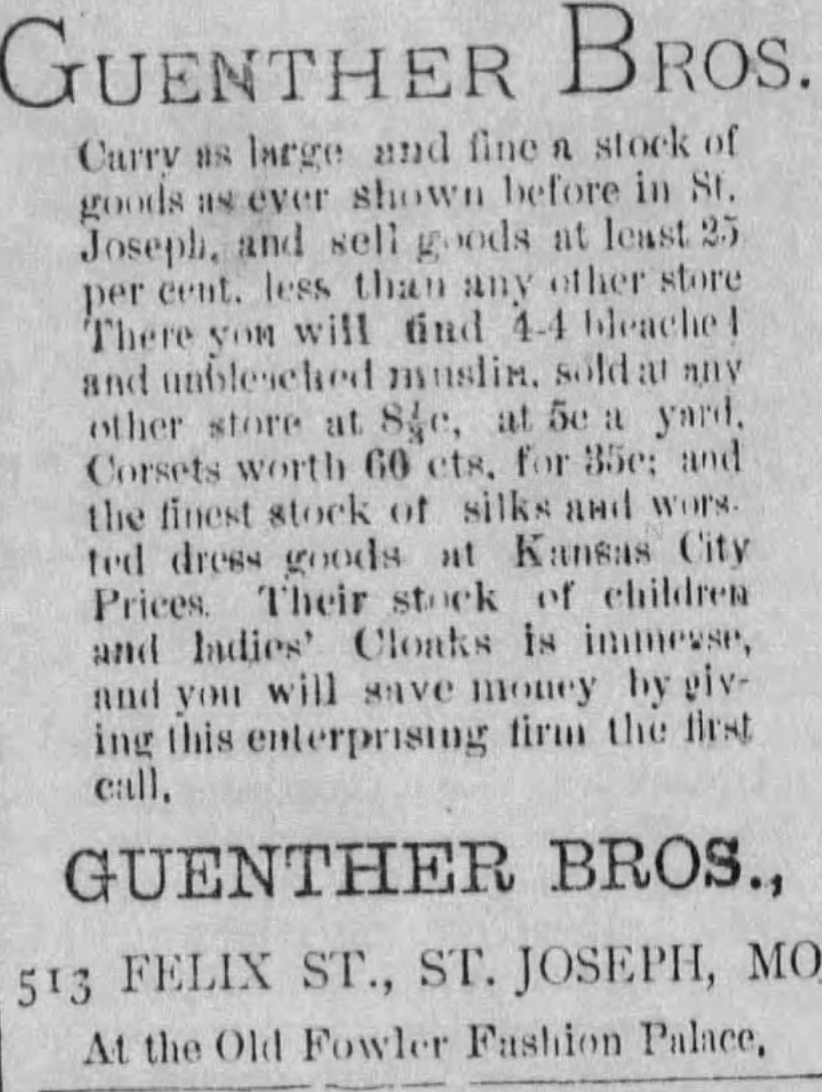
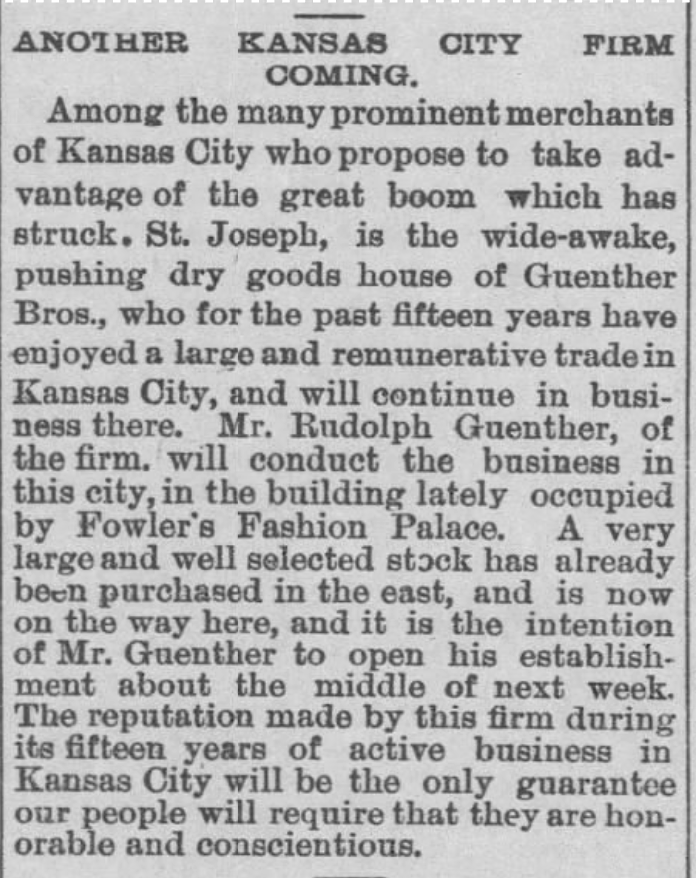
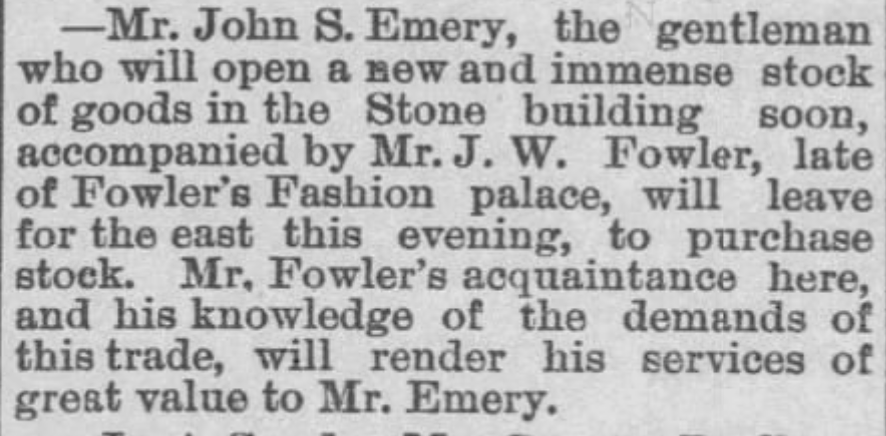
The Guenther Brothers Company of Kansas City moved into the space in the Stone Building formally occupied by Fowler’s Fashion Palace. James W. Fowler helped the new managers make an easy transition into their new store, and may have even been employed in the store until he went on to his next business venture.
JAMES W. FOWLER MARRIES LEILA M. WINANS
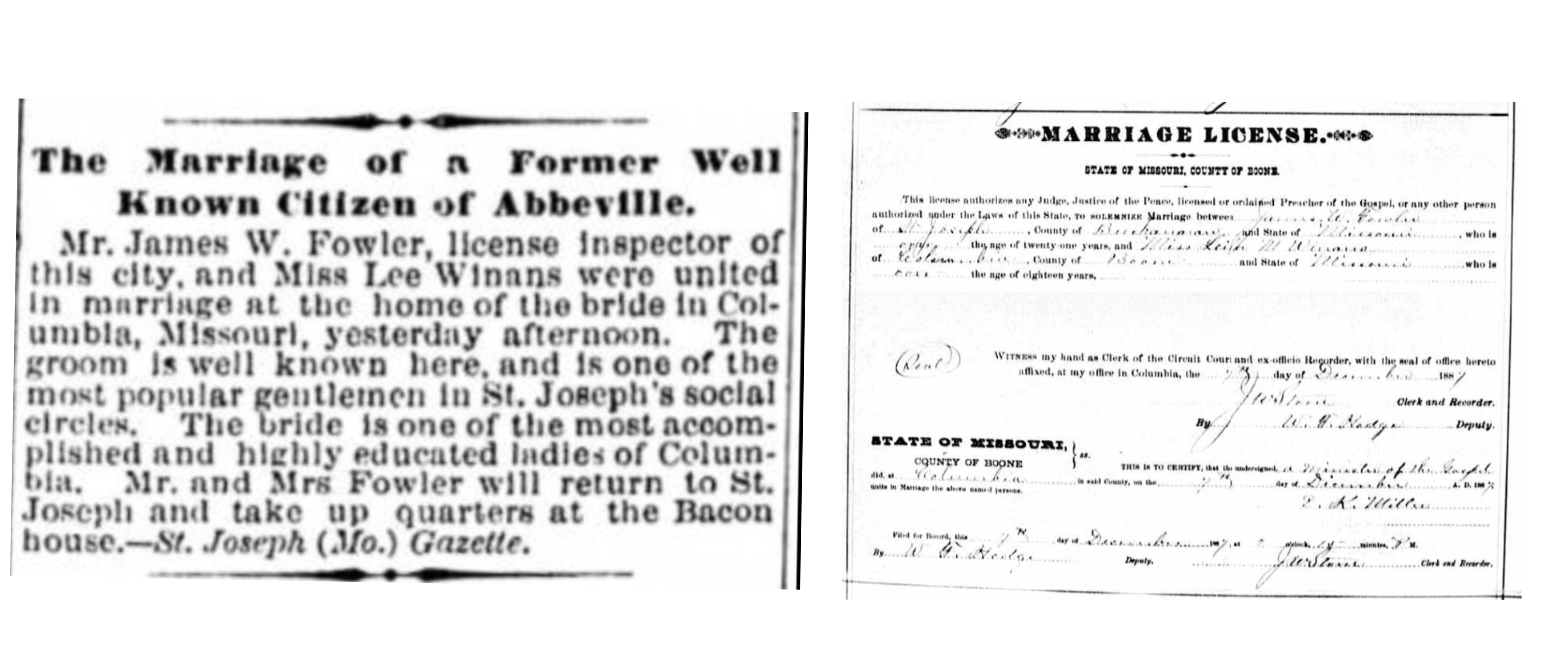
James W. Fowler married Leila M Winans on December 7, 1887. Born in Louisiana on May 20, 1857, she was the daughter of Wesley Parker Winans (1825–1863) and Jane Harper (1830–1899).
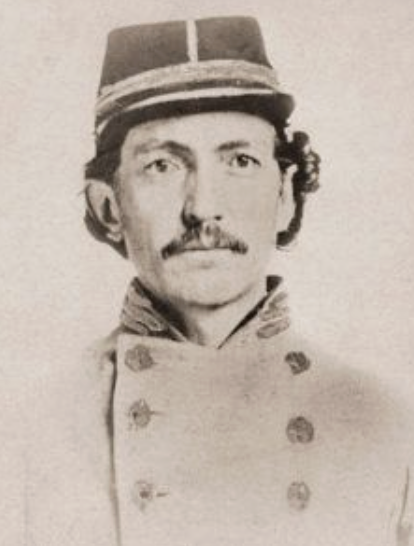
Leila M. Winans was born into a family of excellent pedigree. Her father Colonel Wesley Parker Winans was born in Mississippi in 1857. He was the son of the Rev. William Winans (1788-1857) and Martha Louise Dubose of the Darlington, SC Dubose family.
Wesley Parker Winans graduated from Centenary College and the University of Louisiana Law School. He was an attorney until his enlistment in Company G of the 18th Louisiana Infantry Regiment. He advanced in rank from Captain to Major to Lt. Colonel to Colonel. He was killed on November 25, 1863 in the Battle of Missionary Ridge in Tennessee.
Leila’s mother Jane Harper was the daughter of William Wilkins Harper (1802-1883).
James W. Fowler worked as a license inspector for St. Joseph at the time of his marriage to Leila Winans. The marriage took place at the bride’s home in Columbia, Missouri, one hundred, eighty miles from St. Joseph.
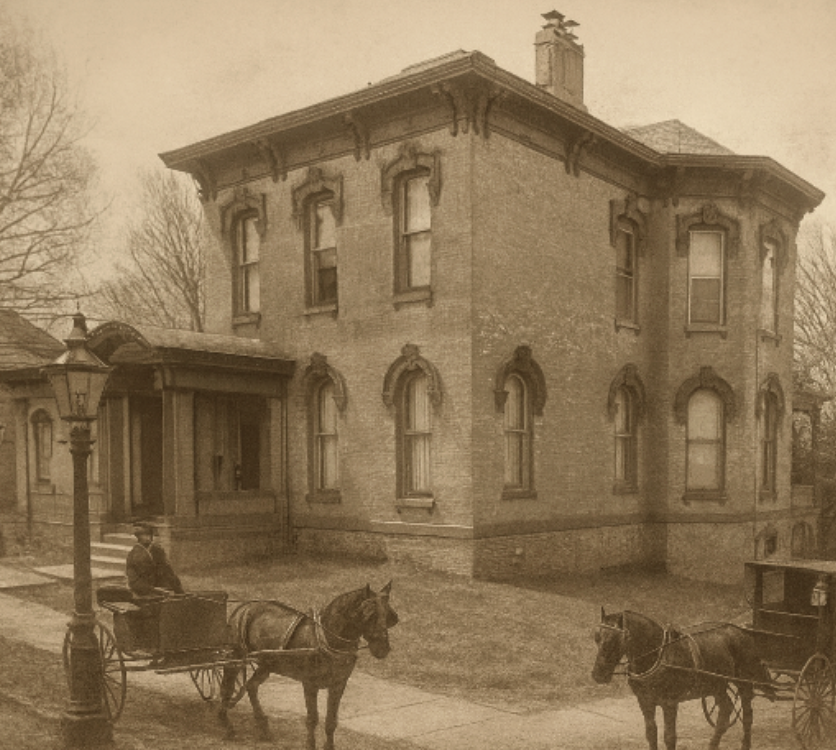
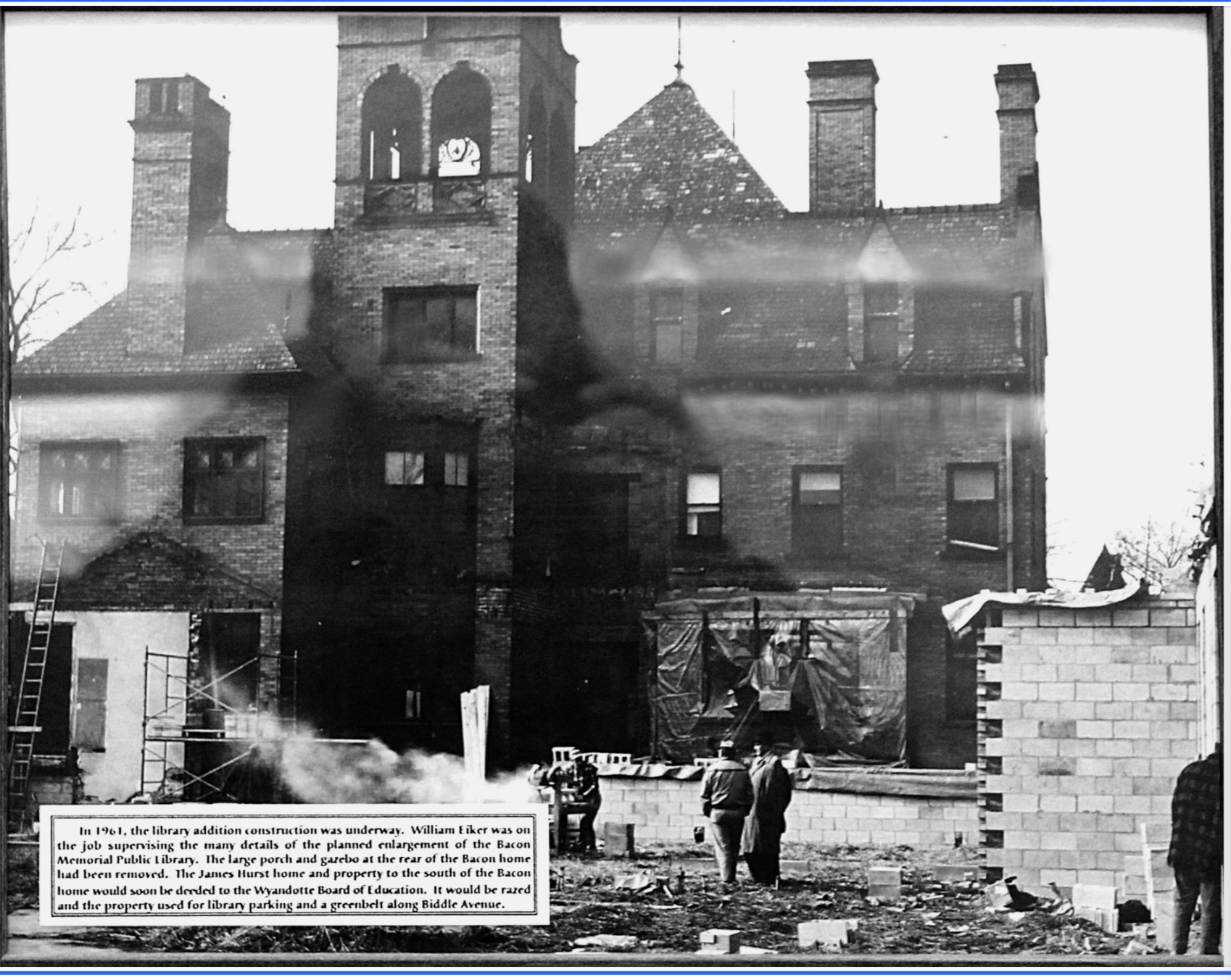
I believe the images below are of the Francis Bacon house in which James W. Fowler and his new bride made their home. The home was in the Museum District of St. Joseph, a most historic, wealthy section of the city.
A VENTURE INTO THE INSURANCE BUSINESS
In 1880, Clarence B. Claggett (1852-1904) was a young insurance agent in St. Joseph. At that time, James W. Fowler was the owner of the Fowler Fashion Palace.
There are countless insurance ads for “Claggett and Fowler” in the The St. Joseph Herald from 1889 until 1892. I assume that the two men began business together in 1889.


There were no more ads after October 9, 1892 when it was announced in the newspaper that James W. Fowler had been sick with typhoid fever. His health problems ended the partnership with Clarence Claggett.
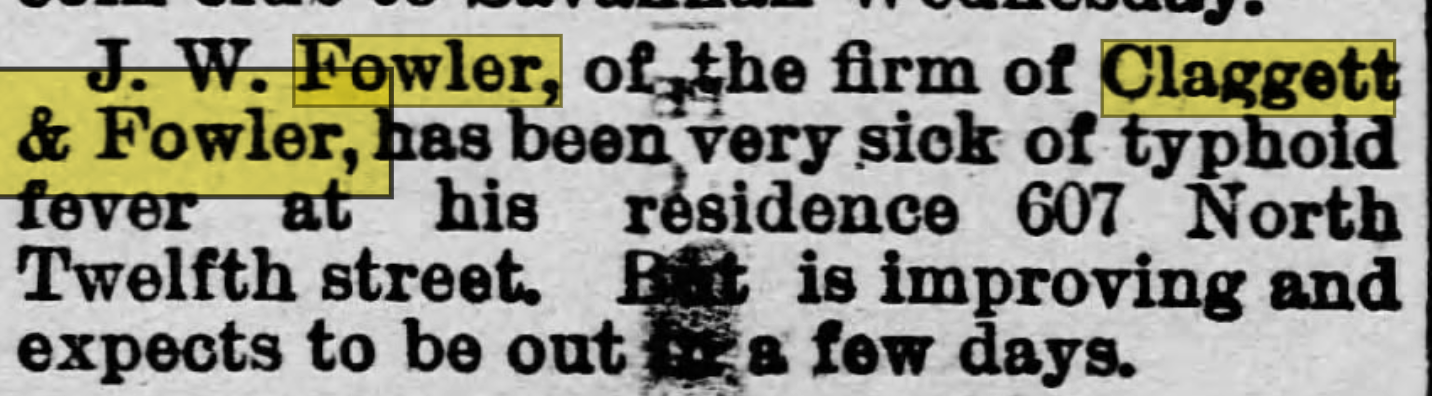
Clarence Claggett’s family hailed from Maryland. His father Milton Claggett worked in the City of St. Joseph engineering department. Clarence would find work in the County Jail.

I find no evidence of any other work for James W. Fowler after his ill health forced his retirement from the insurance business. Perhaps he finally rested and enjoyed the last years of his life.
DEATH OF A SALESMAN
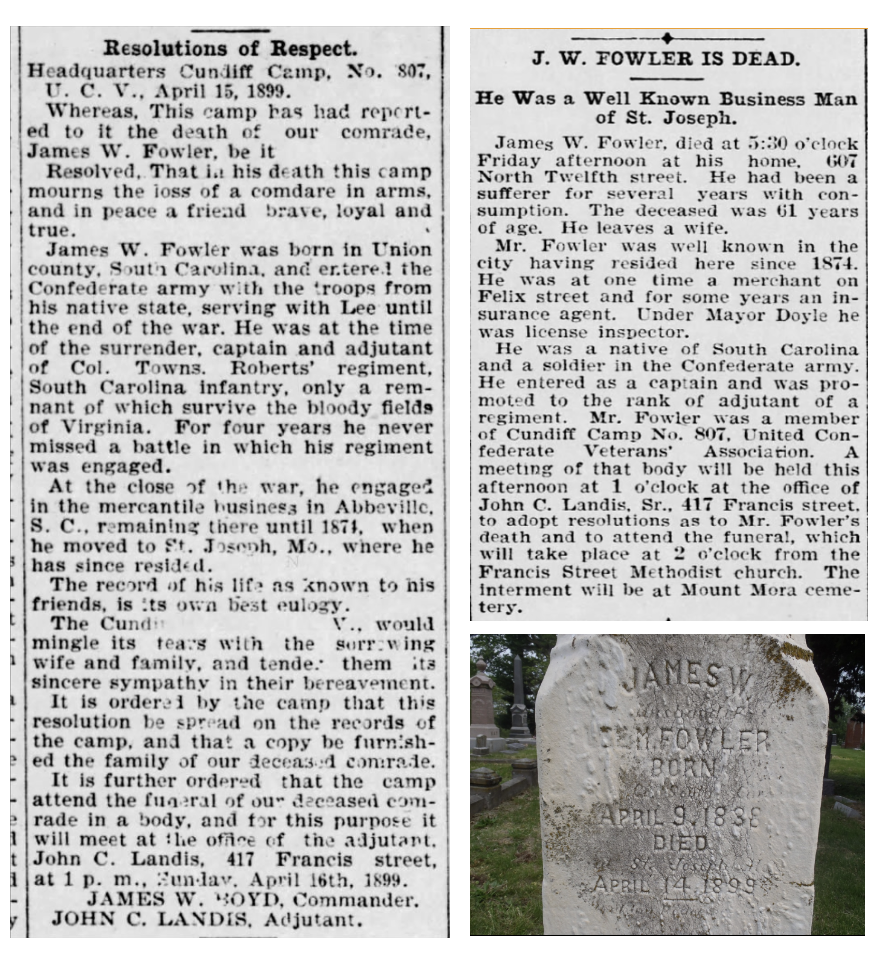
James W. Fowler died April 14, 1899 at his home in St. Joseph.
Veteran Insurance Man and Old Resident Died Yesterday
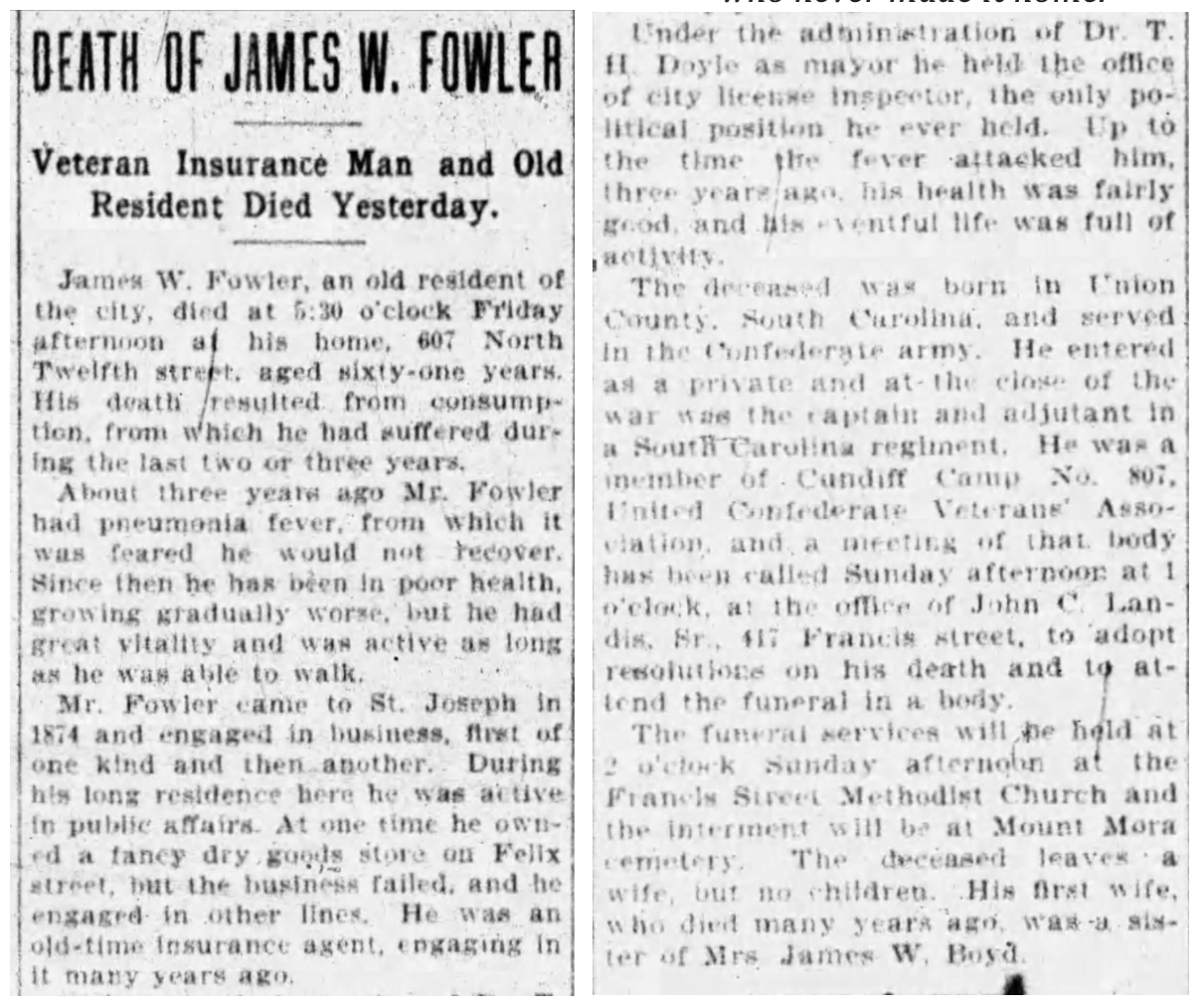
James W. Fowler, an old resident of the city, died at 5:30 o’clock Friday afternoon at his home, 607 North Twelfth street, aged sixty-one years. His death resulted from consumption, from which he had suffered during the last two or three years.
About three years ago Mr. Fowler had pneumonia fever, from which it was feared he would not recover. Since then he has been in poor health, growing gradually worse, but he had great vitality and was active as long as he was able to walk.
Mr. Fowler came to St. Joseph in 1874 and engaged in business, first of one kind and then another. During his long residence here he was active in public affairs. At one time he owned a fancy dry goods store on Felix street, but the business failed, and he engaged in other lines. He was an old-time insurance agent engaging in it many years ago.
Under the administration of Dr. T.H. Doyle as mayor he held the office of city license inspector the only political position he ever held. Up to the time the fever attacked him, three years ago, his health was fairly good and his eventful life was full of activity.
The deceased was born in Union County, South Carolina and served in the Confederate army. He entered as a private and at the close of the war was the captain and adjutant in a South Carolina regiment. He was a member of Cundiff Camp No. 897, United Veterans Association and a meeting of that body has been called Sunday afternoon at 1 0’clock at the office of John C. Landis, Sr., 427 Francis street, to adopt resolutions on his death to to attend the funeral in a body.
The funeral services will be held at 2 o’clock Sunday afternoon at the Francis Street Methodist Church and the interment will be at Mount Mora cemetery. The deceased leaves a wife but no children. His first wife, who died many years ago was a sister of Mrs. James W. Boyd.
THE WIDOW LEILA WINANS FOWLER
After the death of her husband James, there was little reason for Leila to remain in St. Joseph. She moved to the St. Louis home of her sister, Missouri “Minnie” DuBose Winans (1858-1955) and her husband William Adolphus Horner (1849–1934).
Leila Winans Fowler would live with her sister’s family for the next twenty-six years. The Horner family lived on Morgan Street in 1900, and eventually moved to Enright Avenue before 1920.
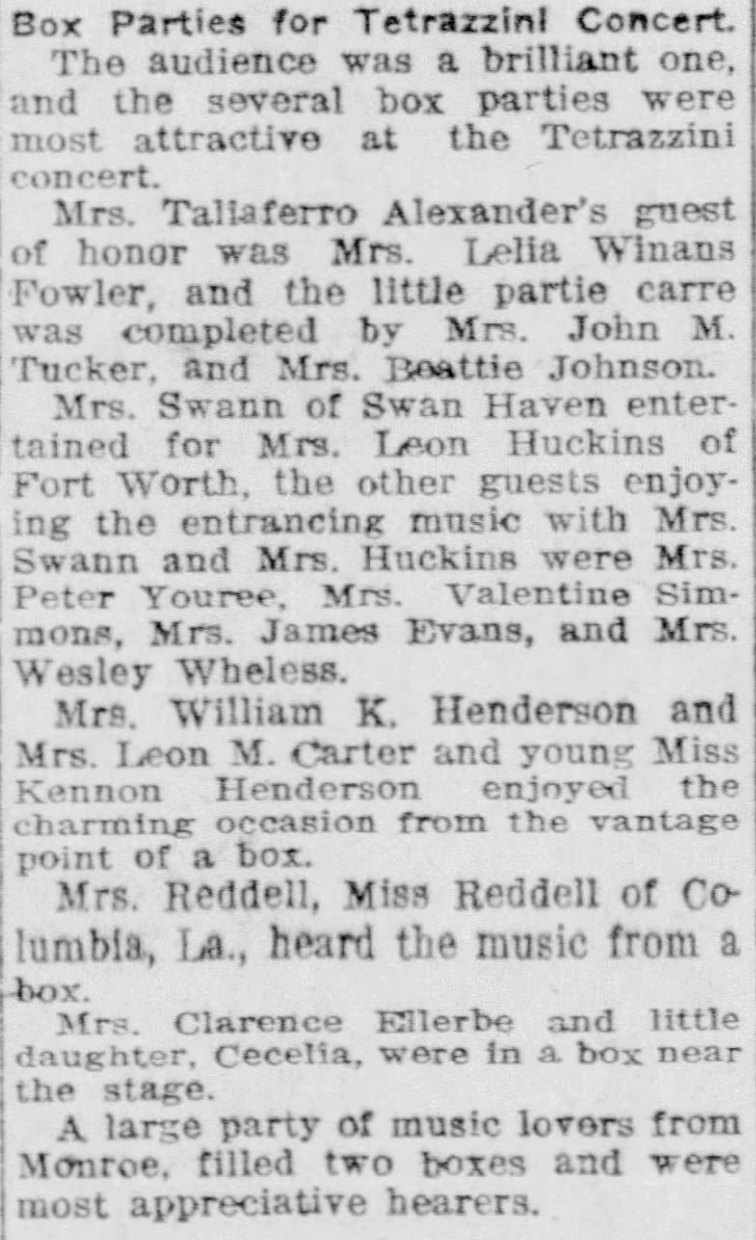
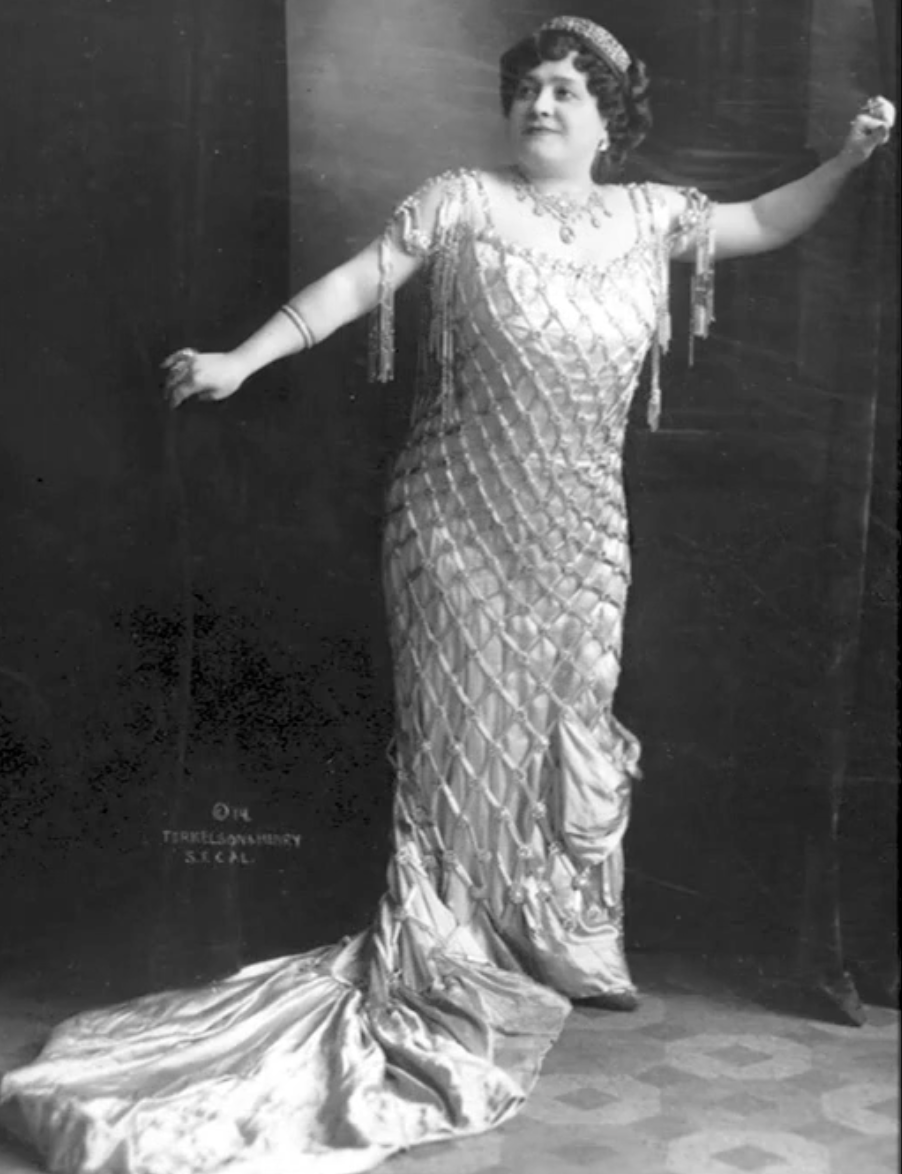
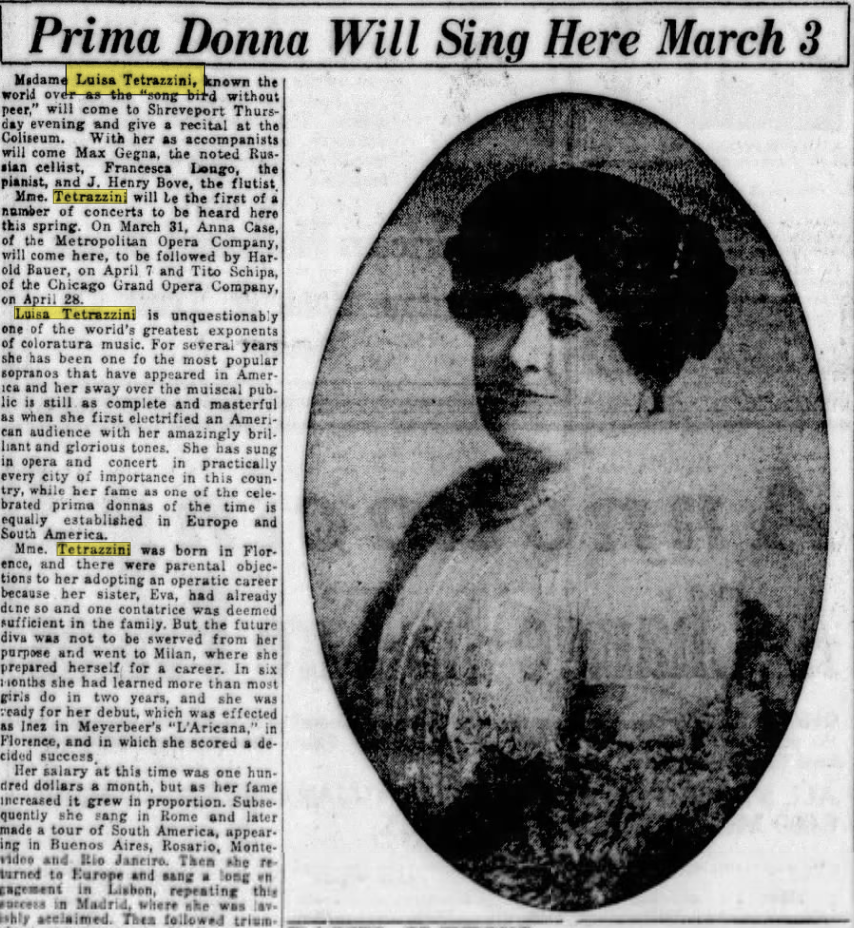
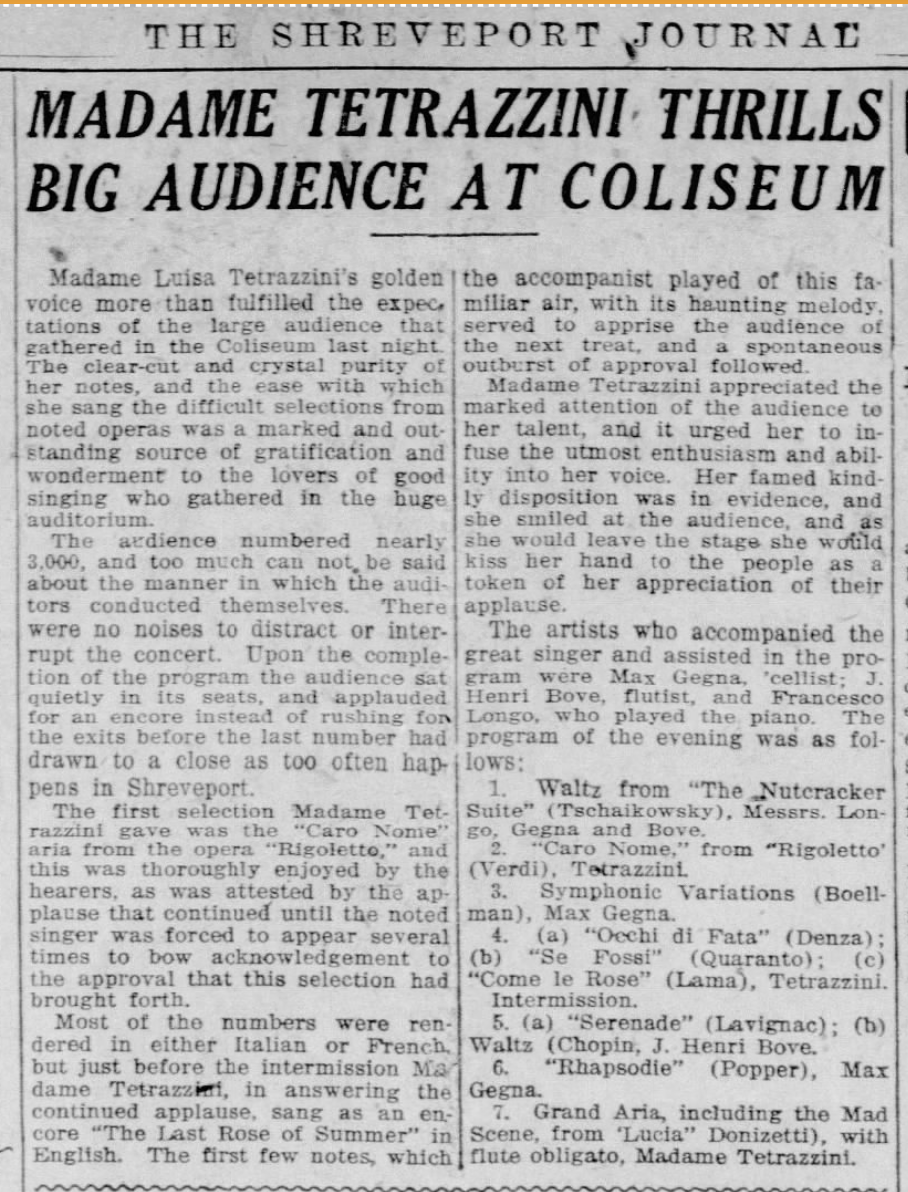
Leila Winans Fowler enjoyed the high-society social life. She traveled to Shreveport, Louisiana in 1921 to attend a concert given by Luisa Tetrazzini (1871-1940), the famous international superstar Italian coloratura soprano known for her “Florentine Nightingale” voice and spectacular technique.
“Mrs. Tallaferro Alexander’s guest of honor was Mrs. Leila Winans Fowler, and the little partie carre was completed by Mrs. John M. Tucker, and Mrs. Beattie Johnson.“
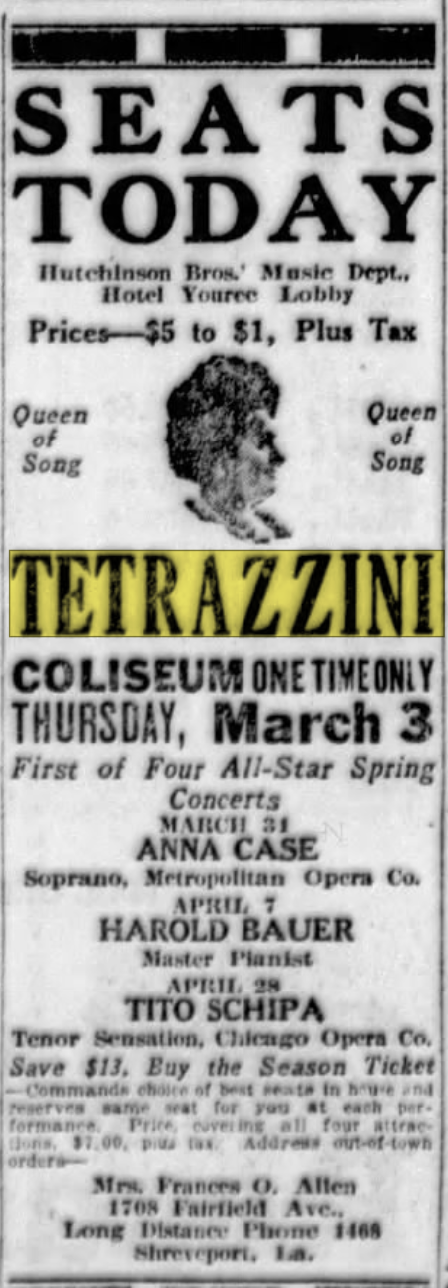
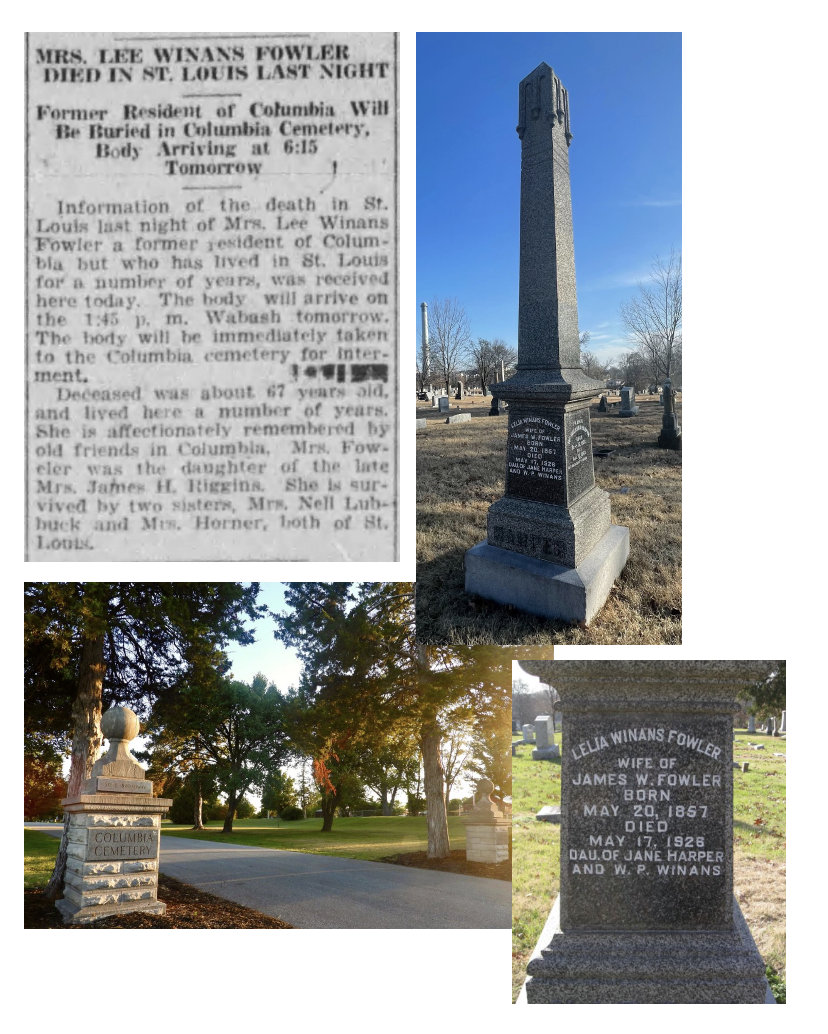
Leila Winans. Fowler died on May 17, 1926 at the home of her sister Minnie Winans Horner at 5056 Enright Avenue in St. Louis.
The avenue is historic. Enright Avenue runs through The Lewis Place neighborhood — one of the few areas of St. Louis where African Americans could own property in the early 1900s.
Tennessee Williams lived at 6254 Enright Avenue, where the events of The Glass Menagerie took place.
I have looked at the homes on Enright Avenue. The once magnificent neighborhood of architecturally significant red brick houses resembles a war-zone. Many abandoned houses are boarded up, and many of the once splendid mansions and row houses have crumbled and become overgrown vacant lots. Arson has been a problem.
The avenue struggles with urban renewal. A decaying mansion is offered for sale less than $60,ooo is hopes that someone will restore it to its former glory when it was built in 1891. The neighborhood cries out for redevelopment. Lelia Winans Fowler would not recognize the avenue she once graced with her presence.
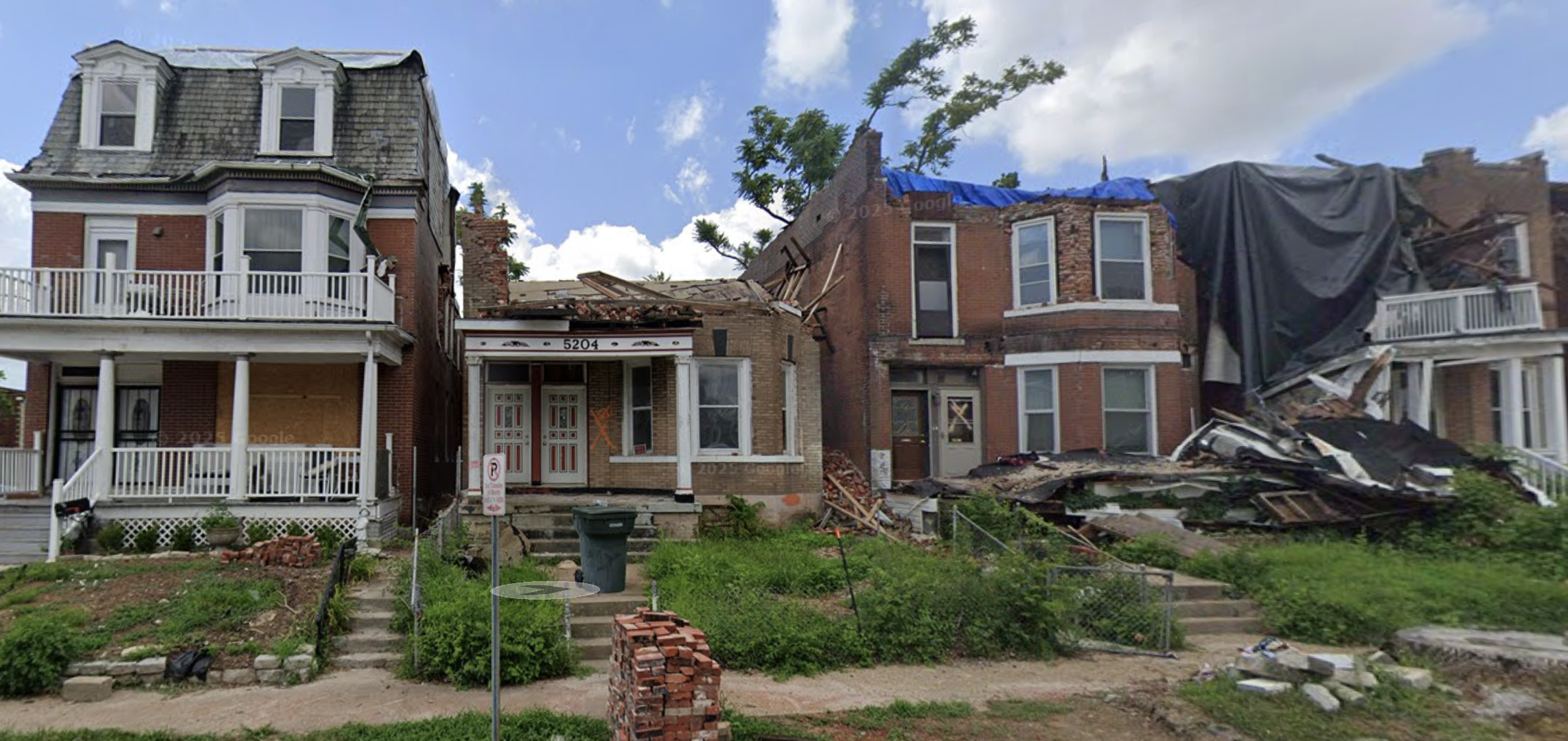
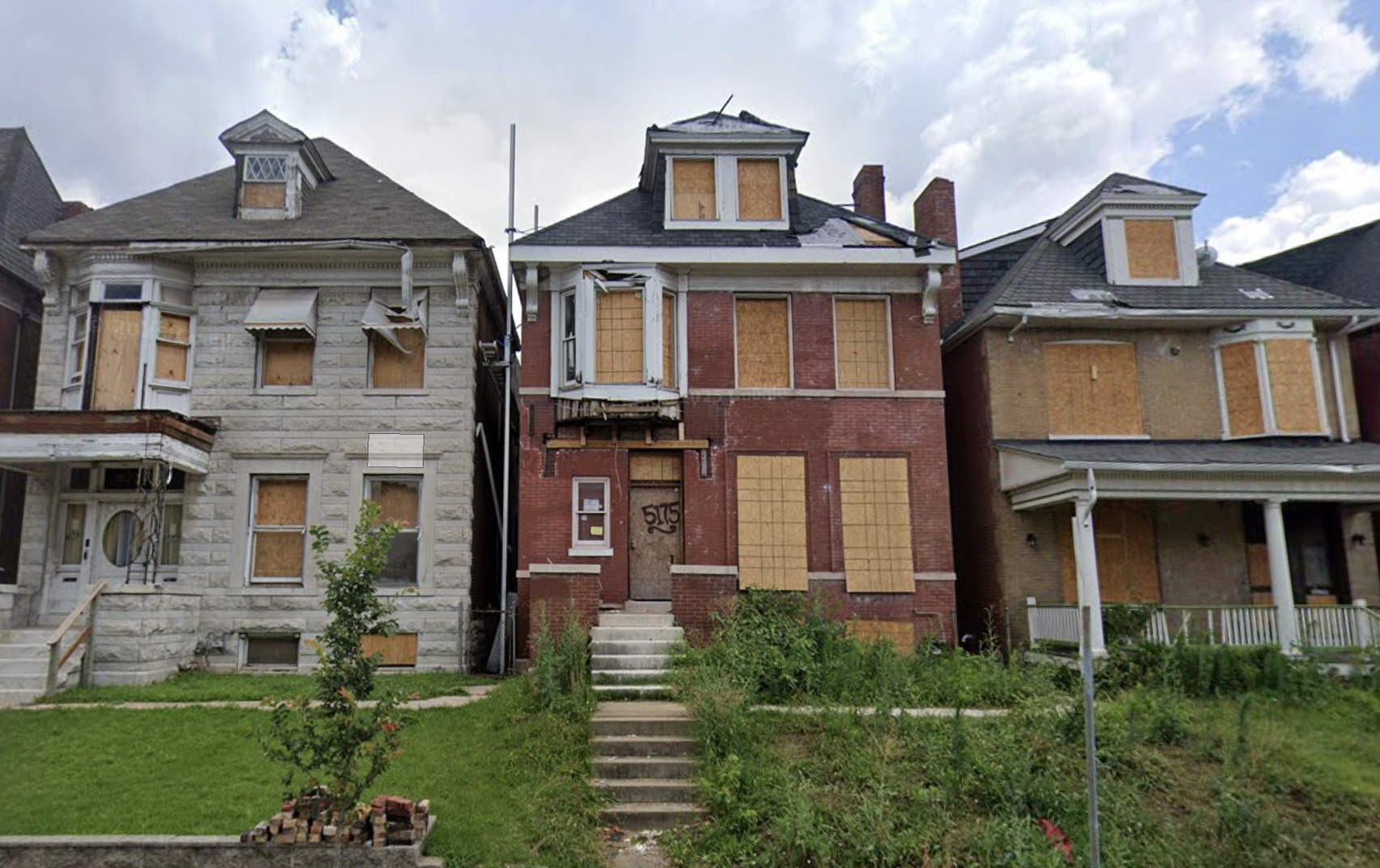
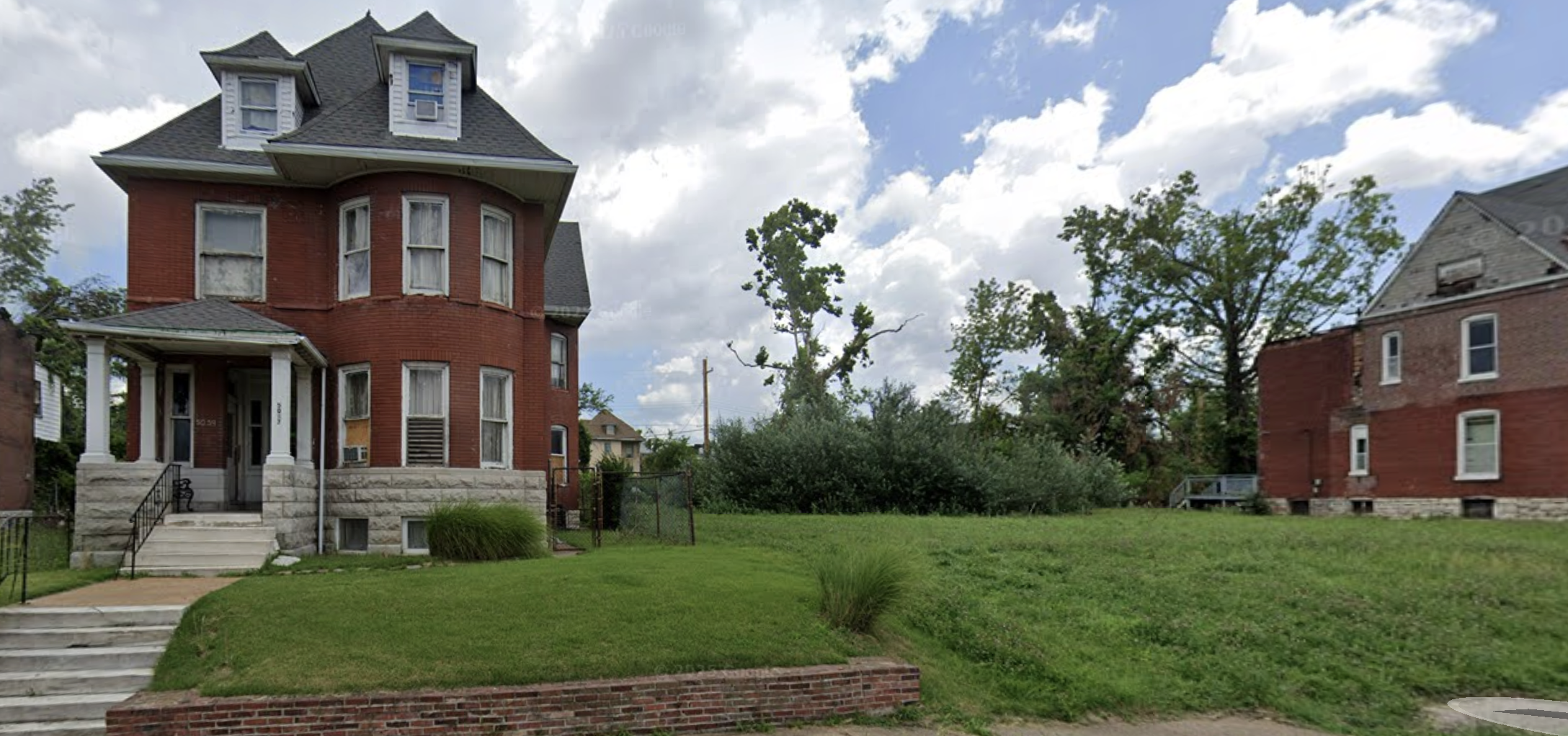
Leila Winans Fowler began her life in Louisiana, lived her early years as a young woman in Columbia, Missouri, and after marriage made her way to St. Joseph. Widowed, she moved on to St. Louis, where she spent the remainder of her days in the care and company of her sister’s household. At her death, she was carried back to Columbia to lie beside her mother, returned at last to the family who shaped her beginnings.
A LIFE WELL LIVED
Save for the bitter seasons he spent far from home in the Civil War, James W. Fowler’s days unfolded in a life of prosperity and purpose, strengthened by enduring friendships and the affection of the women who stood by him.
True, there were hardships. James W. Fowler lived in the mid to late 1800s, moving through a world still rough‑edged and unadorned, where every comfort we now take for granted had yet to be imagined.
He stepped into manhood already tempered by sorrow—his mother lost in his boyhood, his father taken before he had scarcely begun his life’s journey. One after another, his brothers and an infant sister fell away, leaving only a single sister to share the burden of memory.
War carved deeper wounds, for he watched comrades perish at his side in the smoke and thunder of battle. Twice he built a home and twice he laid a wife to rest, the third alone surviving to close the final chapter of his long and well-lived life.
He left no children to grieve him, no descendants to search the past and find his footsteps. Even so, his story insists on being told. The story of James W. Fowler calls out from the quiet places where history forgets its own. In telling it, I lay a gift at the feet of tomorrow—a life restored to the light.
A TIMELINE OF THE LIFE OF JAMES W. FOWLER
- 1838: Born in Union County, South Carolina
- 1840: In Census record household of father James Fowler
- 1850: In Census record with his father James; mother Susan had died before 1850
- 1858: Death of his father James Fowler in Cherokee County, Georgia
- 1959: Moved to Abbeville, SC with brother Samuel Waddy Fowler
- 1860: Married Sarah Cecilia Chalmers (1851-1868)
- 1862: Enlisted in 2 SC Rifles, Confederate Army
- 1865: Returned home after the Surrender
- 1868: Death of wife Sarah Cecelia Chalmers
- 1870: Married Ella Sharpe
- 1873: Moved to St. Joseph, Missouri with wife Ella Sharpe
- 1877: Dissolved Company with Brewater & opened Fowler’s Fashion Palace
- 1878: Death of Ella Sharpe Fowler
- 1884: Sold Fowler’s Fashion Palace to the Guenther brothers
- 1887: Married Leila M. Winans
- 1889: Insurance Business with Clarence Claggett
- 1892: Became ill with typhoid fever;
- 1899: Death of James W. Fowler
- 1926: Death of Leila M.Winans Fowler
 THE FOWLER FAMILIES OF UNION COUNTY, SC
One thought on “JAMES W. FOWLER (1838-1899) Son of James, Grandson of Godfrey”